Unit Economics Breakdown Tool
Analyse your business profitability with our free Unit Economics Breakdown Tool. Calculate per-unit profits and monthly totals easily!
11 April 2026
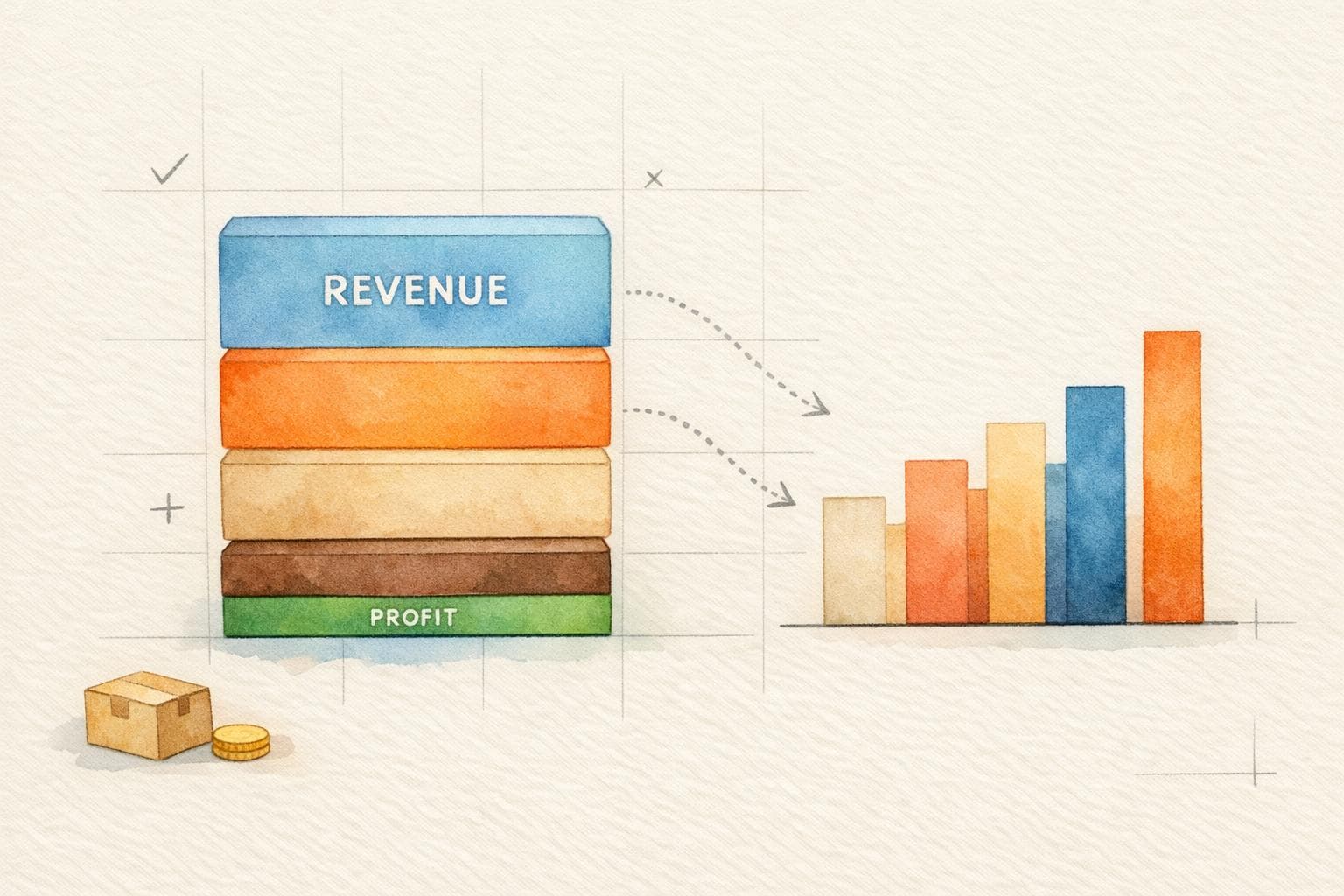
Understand Your Business with a Unit Economics Breakdown Tool
Running a small business or startup in Australia can feel like a constant juggling act. Between managing inventory, marketing, and customer demands, it’s easy to lose sight of the numbers that truly matter. That’s where a tool to analyse profitability per sale comes in handy. It strips everything back to the basics, showing you whether each product or service you sell is actually making money.
Why Per-Unit Analysis Matters
Imagine scaling your business without knowing if you’re profitable at the core. Without a clear picture of your margins, you might be pouring effort into a model that’s doomed to fail. Breaking down your finances to a per-item level helps you spot inefficiencies, adjust pricing, or cut unnecessary costs. For entrepreneurs, this kind of insight isn’t just useful—it’s essential for survival and growth.
Make Smarter Decisions Today
Whether you’re selling handmade goods, running a cafe, or offering services, understanding your financial health starts with the smallest transaction. A simple way to calculate profits per sale can transform how you see your business. Try it out, and take the guesswork out of your next big move.
FAQs
What exactly is unit economics, and why does it matter?
Unit economics is all about breaking down your business to the smallest level—per product or service sold. It shows whether each sale is actually profitable after costs. If you’re not making money on a per-unit basis, scaling up won’t fix the problem; it’ll just amplify losses. This tool helps you spot issues early and tweak pricing or costs before it’s too late.
What if I don’t have operating costs per unit?
No worries at all! If you don’t have specific operating costs tied to each unit—like shipping or packaging—just leave that field blank or enter zero. The tool will still calculate your gross and net profit based on revenue and cost of goods sold. It’s flexible enough to work with whatever data you’ve got.
How do I know if my per-unit profit is good?
That depends on your industry and goals, but here’s a general rule: if your net profit per unit is positive, you’re on the right track. A negative number means you’re losing money on every sale, which isn’t sustainable long-term. Look at industry benchmarks for margins—say, 20-40% for retail—and see how you stack up. Our tool also gives a quick insight to guide you.
Unit Economics Checklist: Contribution Margin
Customer Acquisition Cost Calculator
Unit Economics Mastery for DTC Brands
eCommerce Unit Economics: A Complete Analysis Guide
Break-Even Analysis Calculator [Tool]
Customer Retention Rate Calculator
Newsletter
The Uncommon Insights Letter
Practical FMCG & eCommerce growth playbooks — margins, retention and scaling tactics, straight to your inbox.
Turn these ideas into profit you can see
Get a hands-on operator to turn the frameworks above into results — book a free audit call.