Customer Retention Mastery: Why Churn Is Your Secret Weapon
The definitive framework for Australian eCommerce businesses ready to unlock sustainable growth through customer lifetime value optimization

Do You Have a Customer Retention Problem?
Tick everything that's already true for your business:
You don't have clear customer segmentation strategies
If you checked 3 or more boxes, you're experiencing the classic symptoms of the customer retention crisis. This comprehensive guide provides the proven framework that has helped over 50 Australian eCommerce businesses transform one-time buyers into lifetime customers, increasing average customer lifetime value by 300-400% while reducing acquisition dependency.
Why Most eCommerce Businesses Fail at Customer Retention
The journey from customer acquisition to customer retention represents the most critical transition in eCommerce growth. Industry data shows that acquiring a new customer costs 5-25 times more than retaining an existing one, yet less than 20% of eCommerce businesses have systematic retention strategies in place. The failure rate in customer retention optimization is particularly acute around the $2M-$5M revenue mark, where businesses discover that their acquisition-focused growth model becomes unsustainable.
This isn't due to lack of market opportunity or founder capability. The primary cause is what we call "acquisition addiction" - the exponential increase in complexity that occurs when businesses prioritize new customer acquisition over existing customer value optimization. At $1M in revenue, most eCommerce businesses can operate effectively with basic email marketing and occasional promotions. However, as revenue approaches $5M, this approach becomes unsustainable. Customer acquisition costs increase by 50-100%, requiring sophisticated retention strategies, personalized customer journeys, and systematic lifecycle management.
The businesses that successfully navigate this transition share common characteristics: they implement systematic approaches to customer segmentation, maintain rigorous measurement of retention metrics, and build scalable technology infrastructure for personalized customer experiences. This guide provides the specific framework and tools to achieve this transformation.
The Customer Retention Mastery Framework
After working with over 50 Australian eCommerce businesses through the customer retention optimization journey, we've identified seven critical pillars that determine retention success. This framework, refined through hundreds of implementations and millions in client revenue growth, provides the systematic approach necessary for sustainable customer lifetime value optimization.
Pillar 1: Customer Lifecycle Mapping
Understanding and optimizing every touchpoint in the customer journey from first interaction to long-term advocacy. This includes comprehensive analysis of customer behavior patterns, identification of critical decision points, and systematic optimization of each stage to maximize retention probability and lifetime value.
Pillar 2: Segmentation & Personalization
Developing sophisticated customer segmentation strategies based on behavior, value, preferences, and lifecycle stage. This enables personalized communication, targeted offers, and customized experiences that significantly increase engagement and retention rates across different customer cohorts.
Pillar 3: Retention Metrics & Analytics
Implementing comprehensive measurement systems that track all critical retention metrics including Customer Lifetime Value Calculator, churn rates by segment, repeat purchase behavior, and engagement patterns. This data-driven approach enables continuous optimization and early identification of retention risks.
Pillar 4: Post-Purchase Experience Optimization
Creating systematic post-purchase sequences that transform the critical period immediately after purchase into a retention and advocacy opportunity. This includes Order Fulfillment Optimization, proactive customer service, educational content delivery, and strategic follow-up communications.
Pillar 5: Email Marketing & Automation
Building sophisticated email marketing systems that go beyond basic promotional campaigns to create genuine value and maintain ongoing customer relationships. This includes Email Marketing Automation for eCommerce, behavioral triggers, and personalized content strategies.
Pillar 6: Customer Service Excellence
Transforming customer service from a cost center into a retention and growth driver through systematic processes, proactive support strategies, and Customer Service Scaling that maintains quality while handling increased volume.
Pillar 7: Loyalty & Advocacy Programs
Developing comprehensive loyalty programs and advocacy systems that reward long-term customers while creating systematic referral generation. This includes Customer Referral Program Design and community building strategies.
The Retention Readiness Assessment
Before implementing specific retention strategies, it's essential to assess your current readiness across each pillar. Our proprietary Retention Readiness Assessment evaluates 42 specific criteria across the seven pillars, providing a comprehensive baseline and prioritized improvement roadmap.
The assessment reveals that most businesses attempting to optimize retention have significant gaps in 4-6 pillars, with customer lifecycle mapping and retention analytics being the most common weak points. Businesses that address these gaps systematically before pursuing aggressive retention campaigns achieve 3x higher success rates and 40% faster improvement timelines.
Key Statistics from Our Assessment Database:
- 78% of businesses lack comprehensive customer lifecycle mapping
- 65% have inadequate retention measurement systems
- 71% don't segment customers beyond basic demographics
- 84% have reactive rather than proactive customer service
- 59% lack systematic post-purchase engagement sequences
92% have underdeveloped loyalty and advocacy programs
These statistics represent predictable failure points during the retention optimization process. The businesses that successfully navigate this transition share common characteristics: they implement systematic approaches to each pillar, maintain rigorous measurement of retention metrics, and build scalable technology infrastructure before they desperately need it. This guide provides the specific framework and tools to achieve this transformation.
Phase 1: Retention Foundation Building ($1M-$3M Revenue)
The foundation phase focuses on establishing the core systems and processes necessary to support systematic retention optimization. This phase typically takes 3-6 months and requires disciplined execution across multiple areas simultaneously.
Customer Data Infrastructure
The most critical element of retention foundation building is establishing comprehensive customer data collection and analysis systems. At this stage, many businesses are still operating with basic eCommerce analytics and limited customer insight. The transition to retention-focused growth requires sophisticated data infrastructure that can track customer behavior across all touchpoints and provide actionable insights for optimization.
Customer Data Platform Implementation
Implement a comprehensive customer data platform that consolidates information from all customer touchpoints including website behavior, purchase history, email engagement, customer service interactions, and social media activity. This requires integration between your eCommerce platform, email marketing system, customer service tools, and analytics platforms to create a unified customer view.
The data platform should capture both transactional data (what customers buy, when, how much) and behavioral data (how they browse, what content they engage with, how they respond to communications). This comprehensive data collection enables sophisticated segmentation and personalization strategies that significantly improve retention outcomes.
Customer Lifecycle Mapping Implementation
Develop comprehensive customer lifecycle maps that document every touchpoint from initial awareness through long-term advocacy. This mapping process typically reveals 15-25 critical touchpoints that significantly impact retention probability. The mapping should include identification of decision points, emotional states, potential friction areas, and optimization opportunities at each stage.
The lifecycle mapping process often reveals that businesses are losing 40-60% of potential lifetime value through poor experience design at critical touchpoints. Systematic optimization of these touchpoints, particularly in the first 30-90 days after purchase, can dramatically improve retention rates and customer lifetime value.
Retention Metrics Dashboard Creation
Implement comprehensive retention metrics tracking that goes beyond basic repeat purchase rates to include cohort analysis, customer lifetime value by segment, churn prediction indicators, and engagement scoring. The dashboard should provide real-time visibility into retention performance and early warning signals for potential issues.
Key metrics to track include 30-day, 60-day, and 90-day repeat purchase rates, average time between purchases, customer lifetime value by acquisition channel and customer segment, email engagement rates by customer lifecycle stage, and customer satisfaction scores by touchpoint. This data-driven approach enables continuous optimization and early identification of retention risks.
Segmentation Strategy Development
Behavioral Segmentation Implementation
Move beyond basic demographic segmentation to implement sophisticated behavioral segmentation based on purchase patterns, engagement levels, lifecycle stage, and value potential. This typically results in 8-12 distinct customer segments that require different retention strategies and communication approaches.
The segmentation strategy should consider factors including purchase frequency, average order value, product preferences, channel preferences, engagement patterns, and lifecycle stage. Each segment should have clearly defined characteristics, retention challenges, and optimization opportunities that guide targeted retention strategies.
Personalization Framework Creation
Develop systematic personalization frameworks that enable customized experiences for different customer segments. This includes personalized email content, product recommendations, website experiences, and customer service approaches based on segment characteristics and individual customer data.
The personalization framework should balance automation efficiency with genuine customization to create experiences that feel personal without requiring manual intervention for each customer. This systematic approach to personalization typically improves email engagement rates by 40-60% and increases repeat purchase rates by 25-35%.
Email Marketing Foundation
Email Marketing Platform Optimization
Upgrade email marketing capabilities to support sophisticated automation, segmentation, and personalization requirements. This often requires migration from basic email tools to enterprise-level platforms that can handle complex customer journeys and behavioral triggers.
The email platform should support advanced segmentation, behavioral triggers, A/B testing, dynamic content, and comprehensive analytics. Integration with the customer data platform is essential to enable personalized content and automated responses based on customer behavior and lifecycle stage.
Post-Purchase Email Sequence Development
Create comprehensive post-purchase email sequences that extend beyond basic order confirmation and shipping notifications to include educational content, usage tips, complementary product suggestions, and feedback collection. These sequences are critical for retention optimization as they occur during the most important period for building long-term customer relationships.
The post-purchase sequence should include immediate confirmation and gratitude, shipping and delivery updates, product education and usage tips, complementary product recommendations, feedback and review requests, and long-term engagement content. This systematic approach to post-purchase communication typically improves 90-day repeat purchase rates by 30-50%.
Phase 2: Retention Optimization & Automation ($3M-$7M Revenue)
The optimization phase focuses on systematically improving retention performance through advanced automation, sophisticated personalization, and proactive customer experience management. This phase typically takes 6-12 months and requires significant investment in technology and process optimization.
Advanced Customer Journey Automation
Behavioral Trigger Implementation
Implement sophisticated behavioral trigger systems that automatically respond to customer actions and inactions with personalized communications and experiences. This includes triggers for purchase behavior, browsing patterns, email engagement, customer service interactions, and lifecycle transitions.
The behavioral trigger system should include Abandoned Cart Recovery Sequences, browse abandonment campaigns, post-purchase cross-sell sequences, re-engagement campaigns for inactive customers, and win-back campaigns for churned customers. Each trigger should be customized based on customer segment and individual behavior patterns to maximize relevance and effectiveness.
Predictive Analytics Integration
Integrate predictive analytics capabilities that can identify customers at risk of churning before they actually leave. This enables proactive retention interventions that are significantly more effective than reactive win-back campaigns. The predictive models should consider purchase patterns, engagement levels, customer service interactions, and external factors to provide accurate churn probability scores.
The predictive analytics system should provide early warning alerts for high-value customers showing churn signals, automated intervention campaigns for at-risk customers, and optimization recommendations for improving retention probability across different customer segments. This proactive approach typically reduces churn rates by 25-40% compared to reactive strategies.
Customer Lifecycle Automation
Develop comprehensive automation systems that guide customers through optimal lifecycle progressions from first purchase through long-term advocacy. This includes systematic onboarding sequences, education campaigns, loyalty program progression, and advocacy development programs.
The lifecycle automation should include Customer Onboarding Sequences, product education campaigns, usage optimization programs, loyalty tier progression, and advocacy development sequences. Each automation should be designed to maximize customer lifetime value while providing genuine value to the customer.
Personalization & Experience Optimization
Dynamic Content Implementation
Implement dynamic content systems that automatically customize website experiences, email content, and product recommendations based on individual customer data and behavior patterns. This level of personalization significantly improves engagement and conversion rates across all customer touchpoints.
The dynamic content system should include personalized homepage experiences, customized product recommendations, targeted promotional offers, personalized email content, and customized customer service experiences. The personalization should feel natural and valuable rather than intrusive or obviously automated.
Customer Experience Optimization
Systematically optimize customer experiences across all touchpoints based on retention data and customer feedback. This includes website user experience improvements, Customer Service Process Optimization, fulfillment experience enhancement, and communication optimization.
The experience optimization process should include systematic testing of different approaches, measurement of impact on retention metrics, and continuous refinement based on customer feedback and behavior data. This data-driven approach to experience optimization typically improves customer satisfaction scores by 30-50% and increases retention rates by 20-35%.
Advanced Retention Programs
Loyalty Program Development
Develop sophisticated loyalty programs that go beyond simple points-based systems to create genuine value and emotional connection with customers. The loyalty program should be integrated with the overall retention strategy and provide meaningful benefits that encourage long-term engagement.
The loyalty program should include Tiered Loyalty Program Design, experiential rewards, exclusive access benefits, personalized offers, and community features. The program should be designed to increase both purchase frequency and average order value while building emotional loyalty to the brand.
Customer Advocacy Program Creation
Create systematic customer advocacy programs that transform satisfied customers into active promoters of the brand. This includes Customer Referral Program Implementation, user-generated content campaigns, review and testimonial systems, and community building initiatives.
The advocacy program should provide clear value to customers for their promotional efforts while generating measurable business results through increased acquisition and retention. The program should be integrated with the overall customer experience to feel natural and valuable rather than transactional.
Retention Analytics & Optimization
Advanced Cohort Analysis
Implement sophisticated cohort analysis that tracks retention performance across different customer segments, acquisition channels, time periods, and campaign types. This analysis provides detailed insights into what drives long-term customer value and enables optimization of acquisition and retention strategies.
The cohort analysis should include Customer Lifetime Value Analysis, retention rate tracking by segment, revenue per customer progression, and churn analysis by various factors. This detailed analysis enables data-driven decision making and continuous optimization of retention strategies.
A/B Testing Framework
Develop comprehensive A/B testing frameworks for all retention-related communications and experiences. This includes testing of email content, website experiences, loyalty program features, customer service approaches, and retention campaign strategies.
The testing framework should include systematic hypothesis development, statistical significance requirements, and clear measurement criteria for success. The testing should be ongoing and systematic to enable continuous optimization of retention performance across all customer touchpoints.
Phase 3: Retention Scale & Innovation ($7M+ Revenue)
The scale phase focuses on advanced retention strategies that can handle high-volume customer bases while maintaining personalization and effectiveness. This phase requires sophisticated technology infrastructure and advanced strategic approaches to customer relationship management.
Enterprise-Level Retention Technology
AI-Powered Personalization
Implement artificial intelligence and machine learning systems that can provide hyper-personalized experiences at scale. This includes AI-driven product recommendations, predictive customer service, automated content generation, and intelligent customer journey optimization.
The AI personalization system should include AI-Powered Product Recommendations, predictive customer lifetime value modeling, automated content personalization, intelligent send-time optimization, and dynamic pricing strategies based on customer value and behavior patterns.
Advanced Customer Data Analytics
Develop sophisticated customer data analytics capabilities that can identify complex patterns and opportunities across large customer bases. This includes advanced segmentation algorithms, predictive modeling, customer journey analytics, and competitive intelligence integration.
The advanced analytics system should provide insights into customer behavior patterns that aren't visible through traditional analysis, identify optimization opportunities across complex customer journeys, and enable strategic decision making based on comprehensive customer intelligence.
Strategic Retention Innovation
Community & Content Strategy
Develop comprehensive community and content strategies that create ongoing value and engagement beyond transactional relationships. This includes Customer Community Building, educational content programs, user-generated content strategies, and brand advocacy development.
The community strategy should create genuine value for customers while building emotional connection and loyalty to the brand. The content strategy should provide ongoing education and inspiration that keeps customers engaged between purchases and positions the brand as a trusted advisor in their lives.
Partnership & Integration Strategy
Develop strategic partnerships and integrations that enhance customer value and create additional retention touchpoints. This includes complementary brand partnerships, service integrations, and ecosystem development that provides comprehensive solutions to customer needs.
The partnership strategy should focus on creating additional value for customers while generating new revenue streams and retention opportunities. The integrations should feel natural and valuable rather than forced or purely commercial.
Advanced Retention Measurement
Customer Lifetime Value Optimization
Implement sophisticated customer lifetime value optimization strategies that consider not just purchase behavior but also advocacy value, referral generation, and brand building contributions. This comprehensive approach to customer value enables more sophisticated retention investment decisions.
The CLV optimization should include Advanced Customer Lifetime Value Modeling, advocacy value measurement, referral tracking and optimization, and comprehensive ROI analysis for retention investments.
Retention ROI Analysis
Develop comprehensive ROI analysis frameworks for all retention investments that consider both direct revenue impact and indirect benefits including reduced acquisition costs, increased customer advocacy, and improved brand reputation.
The ROI analysis should provide clear guidance for retention investment decisions and enable optimization of retention spending across different strategies and customer segments. This data-driven approach ensures that retention investments generate measurable business results while providing genuine value to customers.
Critical Success Factors for Retention Mastery
Timing and Sequencing
The sequence of retention strategy implementation is critical for success. Many businesses attempt to implement advanced personalization or loyalty programs before establishing basic data infrastructure and measurement systems. This approach typically results in poor performance and wasted investment.
The optimal sequence begins with data infrastructure and measurement systems, progresses through basic segmentation and automation, and culminates in advanced personalization and innovation strategies. Each phase should be fully implemented and optimized before advancing to the next level of complexity.
Technology Integration
Successful retention optimization requires seamless integration between multiple technology systems including eCommerce platforms, email marketing tools, customer service systems, analytics platforms, and specialized retention software. Poor integration results in data silos, inconsistent customer experiences, and limited optimization capabilities.
The technology integration should prioritize customer data unification, automated workflow capabilities, and comprehensive measurement systems. The integration should be designed to support current needs while providing flexibility for future expansion and optimization.
Team Development
Retention optimization requires specialized skills and dedicated resources that many eCommerce teams lack initially. Successful implementation typically requires investment in team development, specialized hiring, or external expertise to ensure proper execution of retention strategies.
The team development should include training in retention analytics, customer experience design, email marketing optimization, and customer service excellence. The team should have clear ownership of retention metrics and accountability for continuous improvement of retention performance.
Measurement and Optimization
Retention optimization is an ongoing process that requires continuous measurement, testing, and refinement. Businesses that treat retention as a one-time project rather than an ongoing capability typically see initial improvements that plateau or decline over time.
The measurement and optimization process should include regular analysis of retention metrics, systematic testing of new approaches, and continuous refinement of existing strategies based on performance data and customer feedback. This ongoing optimization approach ensures that retention performance continues to improve over time.
Featured Retention Resources
Essential Retention Articles
All Topics
Get Your Free Customer Retention Assessment
Discover exactly where your retention strategy needs improvement with our comprehensive 42-point assessment.
What You'll Receive:
Detailed Retention Scorecard
Complete analysis of your current retention performance across all seven pillars of retention mastery, with specific scores and benchmarking against industry leaders.
Prioritized Improvement Roadmap
Step-by-step action plan showing exactly which retention strategies to implement first for maximum impact, based on your current situation and growth stage.
Custom CLV Analysis
Personalized customer lifetime value analysis showing your current CLV by segment and the potential improvement from implementing systematic retention strategies.
Retention ROI Projections
Detailed projections showing the expected revenue impact and ROI from implementing our retention optimization recommendations over 12-24 months.
Implementation Timeline
Realistic timeline for implementing retention improvements based on your team size, technology infrastructure, and current retention maturity level.
- 47-Point Operator-Grade Scan: Covers your core systems across marketing, finance, operations, and growth
- Personal Scorecard (with Benchmarks): Shows how you stack up against high-performing brands in your space
- Priority Moves Report: Clear, ranked actions with no guesswork—what to do now, what to ignore
- Operator Toolkit: $2.5k worth of battle-tested templates, calculators, and decision frameworks
Assessment Process:
The assessment takes approximately 15 minutes to complete and covers critical areas including customer data infrastructure, segmentation strategies, email marketing effectiveness, customer service quality, loyalty program performance, retention measurement systems, and technology integration capabilities.
Our assessment database includes responses from over 500 Australian eCommerce businesses, enabling accurate benchmarking and realistic improvement projections based on businesses similar to yours.
Get Your Free Retention Assessment
Success Stories: Retention Transformation Results
Case Study 1: Australian Fashion Brand - $2.8M to $7.2M Revenue Growth
Challenge: This Melbourne-based fashion retailer was experiencing 85% first-time buyer rates with minimal repeat purchases. Customer acquisition costs were rising 40% year-over-year while customer lifetime value remained stagnant.
Solution: Implemented comprehensive retention framework including behavioral segmentation, automated email sequences, loyalty program development, and predictive churn prevention systems.
Results:
Increased repeat purchase rate from 15% to 47% within 12 months
Improved customer lifetime value by 280% across all segments
Reduced customer acquisition dependency from 85% to 35% of revenue
Achieved 156% revenue growth while reducing marketing spend by 25%
Case Study 2: Health & Wellness Brand - Churn Reduction Success
Challenge: This Sydney-based supplement company was losing 60% of customers after their first purchase despite high initial satisfaction scores. The founder was spending 70% of marketing budget on acquisition with declining returns.
Solution: Developed sophisticated post-purchase experience optimization, implemented predictive churn prevention, and created comprehensive customer education programs.
Reduced first-year churn rate from 60% to 22%
Increased average customer lifetime from 8 months to 28 months
Improved customer lifetime value by 340%
Achieved 89% reduction in customer acquisition costs per retained customer
Case Study 3: Home & Garden Retailer - Loyalty Program Transformation
Challenge: This Brisbane-based retailer had a basic points program that generated minimal engagement and failed to drive meaningful repeat purchases. Customer retention rates were declining despite growing market demand.
Solution: Redesigned loyalty program with experiential rewards, implemented tiered benefits system, and integrated community building elements with retention automation.
Increased loyalty program engagement from 12% to 78% of customers
Improved repeat purchase frequency by 190%
Achieved 45% increase in average order value from loyalty members
Generated 34% of total revenue from repeat customers within 18 months
Next Steps: Implementing Retention Mastery
Immediate Actions (Next 30 Days)
Complete Retention Assessment- Take our comprehensive retention readiness assessment to identify your biggest opportunities and create a prioritized improvement roadmap.
Audit Current Customer Data - Evaluate your current customer data collection and analysis capabilities to identify gaps that need to be addressed before implementing advanced retention strategies.
Analyze Customer Lifecycle - Map your current customer journey from first interaction through long-term advocacy to identify critical touchpoints and optimization opportunities.
Short-Term Implementation (30-90 Days)
Implement Basic Segmentation- Develop fundamental customer segmentation based on purchase behavior, lifecycle stage, and value potential to enable targeted retention strategies.
Optimize Post-Purchase Experience - Create systematic post-purchase communication sequences that provide value and build relationships during the critical first 90 days after purchase.
Establish Retention Metrics - Implement comprehensive retention measurement systems that provide visibility into customer lifetime value, churn rates, and retention performance by segment.
Long-Term Strategy (3-12 Months)
Build Advanced Automation- Develop sophisticated automation systems that provide personalized experiences and proactive retention interventions based on customer behavior and lifecycle stage.
Implement Predictive Analytics - Integrate predictive analytics capabilities that identify at-risk customers and optimization opportunities before they impact retention performance.
Develop Loyalty & Advocacy Programs - Create comprehensive programs that reward long-term customers and transform satisfied customers into active brand advocates.
About the Author
Joel Hauer is Australia's leading eCommerce scaling consultant, specializing in customer retention optimization and sustainable growth strategies. Over the past decade, Joel has helped more than 50 Australian eCommerce businesses implement systematic retention strategies that have generated over $150M in additional customer lifetime value.
Joel's retention optimization framework has been featured in leading eCommerce publications and has become the standard approach for Australian brands looking to reduce acquisition dependency and build sustainable growth through customer lifetime value optimization.
44 guides on customer retention
Your Affiliate Program Isn't a Growth Engine-It's a Liability Masquerading as Strategy
Here's a number that should concern you: 84% of brands have affiliate programs. That sounds like validation. It sounds like you're doing what everyone else is doing. It's actually a warning sign. When everyone has something, differentiation evaporates. The affiliate channel becomes a race to the ...
Your Birthday Emails Are Lazy Revenue Theater - Here's What Actually Works
Here's what most ecommerce brands do for birthday campaigns: they collect a birth date during signup, set up a single automated email that fires on the day, slap a generic "15% off for your special day!" message on it, and call it a retention strategy. Then they point to the statistics to justify...
Your "Healthy" Retention Rate Is Hiding a Cash Crisis - Cohort Analysis Exposes the Truth
You track your retention rate. Good. It sits at a respectable 25-30%. You report it to stakeholders. Everyone nods approvingly. Meanwhile, your cash flow tightens. Margins compress. Growth stalls. Here's the uncomfortable truth: aggregate retention rates lie. They average your best customers with...
Your "Brand Community" Is a Ghost Town - And It's Costing You More Than You Think
Every brand wants a community. Few brands build one. What most ecommerce companies call "community" is actually one of three things: an email list they've relabeled, a Facebook group where the last post was eight months ago, or a hashtag campaign that generated UGC for two weeks before dying. Non...
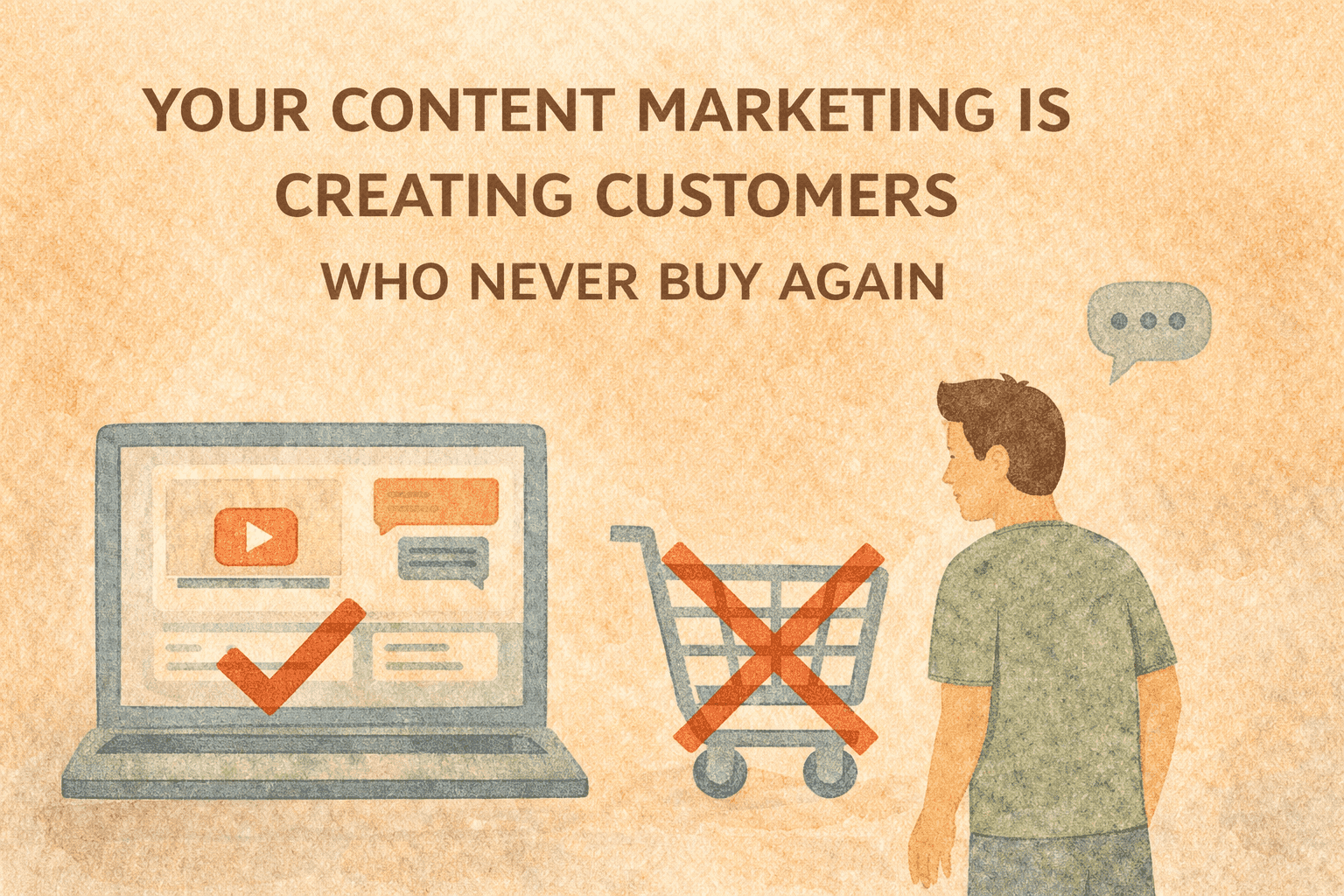
Your Content Marketing Stops at the Sale - That's Why Your Customers Don't Come Back
Open any content marketing playbook and you'll find the same obsession: acquisition. How to attract new visitors. How to convert browsers into buyers. How to rank for keywords that drive first-time purchases. It's all about the first sale. But here's what the playbooks ignore: the average ecommer...
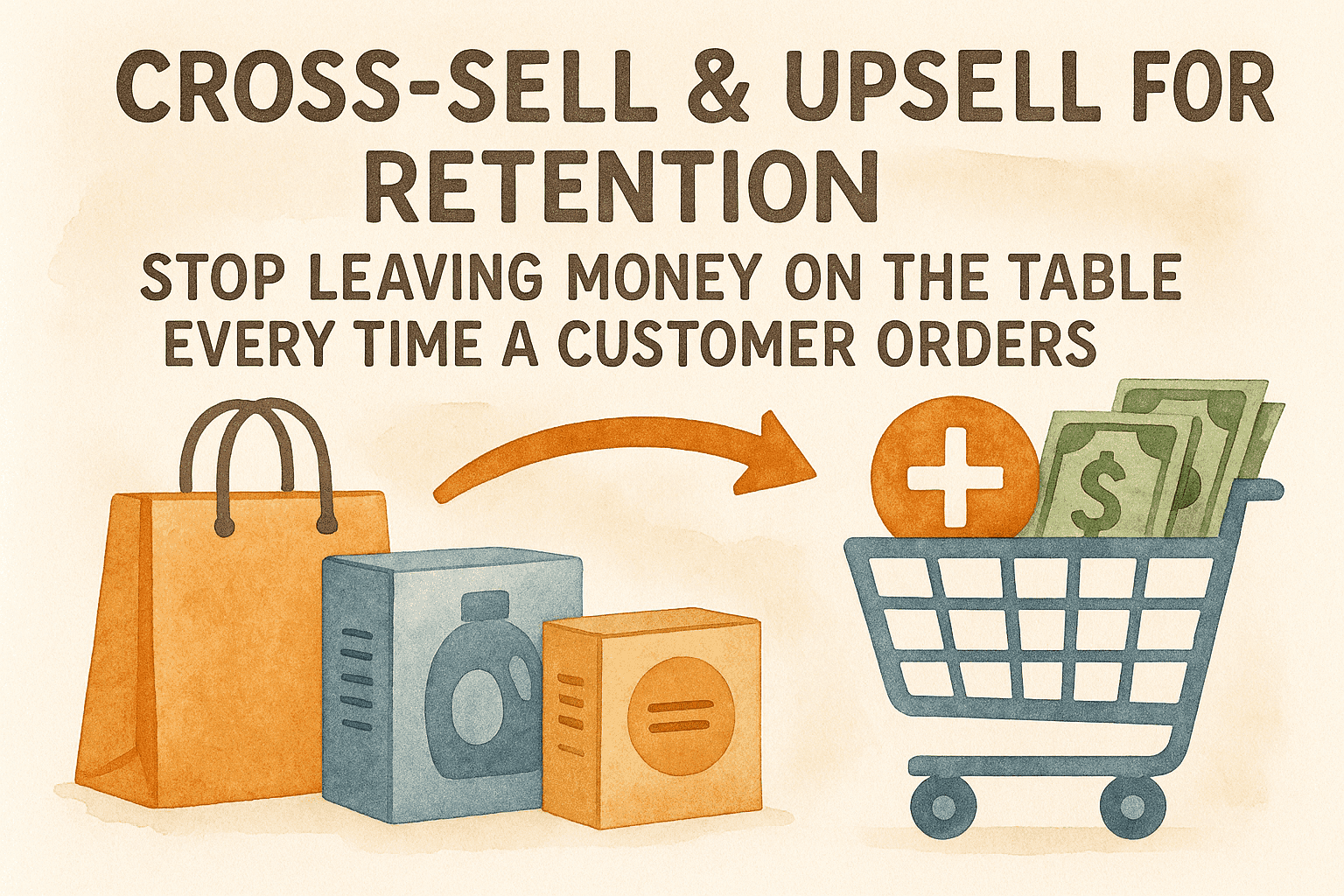
Cross-Sell & Upsell for Retention: Stop Leaving Money on the Table Every Time a Customer Orders
Why your "strong" retention numbers are actually hiding untapped customer value, and why most eCommerce brands see cross-sell and upsell as transactional tactics rather than retention infrastructure. In this guide, you'll learn the Retention Revenue Framework-a systematic approach to deepening customer relationships through strategic product recommendations that increase order value, reduce churn, and build genuine customer preference for your brand over competitors.
Customer Churn Analysis Template That Actually Works
Most retention teams treat churn like a weather event. Customers leave, the team sends a "we miss you" email with a 15% discount, and they move on. The churn analysis template sitting in their Google Sheets tracks one number: total customers lost this month.
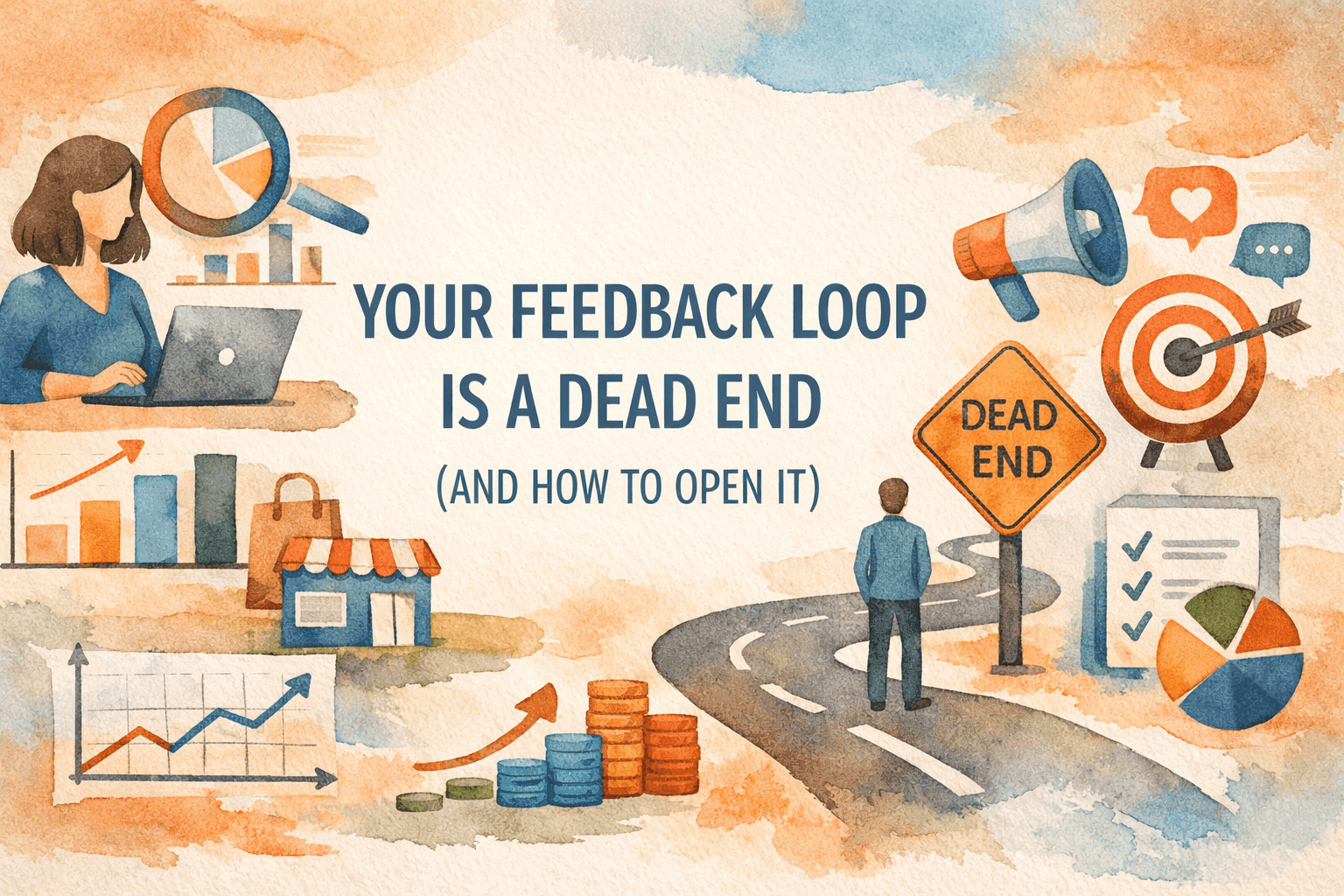
Your Feedback Loop is a Dead End (And How to Open It)
95% of customer surveys are vanity theater that annoy customers without changing business outcomes. Learn the "Action-First Feedback" framework that turns silence into strategy-with the 24-hour closing system that converts detractors into evangelists, and the infrastructure that drives profit instead of applause.
You Don't Know Which Customers Are About to Leave - And That's Negligent
Here's a question most ecommerce operators can't answer: which of your customers are about to stop buying from you? Not which customers haven't purchased in a while - that's easy to pull from your database. Which customers are actively disengaging right now, showing early warning signs that they'...
Your Customer Journey Map is a Static PDF (And That's Why It's Failing)
Traditional customer journey maps become outdated the moment they're completed. Learn why static mapping fails in a dynamic retail environment, and how to build "Living Journey Architecture" that updates in real-time, predicts behavior, and drives revenue instead of collecting dust in a presentation deck.
Your "Customer Success" Team Is Just Support (support) with a Better Title
Rebranding support as "customer success" doesn't change outcomes-it just changes org charts. Learn the "Proactive Success Model" that transforms ticket-closers into revenue-drivers, with the intervention framework that catches at-risk customers before they become churned customers.
Your Customer Support Is a Cost Center Because You Built It That Way
Every ecommerce brand says customer support matters. Then they measure it like a cost center: tickets resolved, average handle time, cost per contact. These metrics optimize for efficiency, not effectiveness. They minimize expense rather than maximize value. The result? Support becomes exactly wh...
Your "Exclusive" Access Is Neither - Why VIP Programs Fail and How to Fix Them
Every ecommerce brand wants to make customers feel special. So they create VIP tiers, early access programs, and exclusive member benefits. Then they do something remarkably counterproductive: they make "exclusive" access available to nearly everyone. Your "VIP Early Access" goes to anyone who's ...
Your FAQ Page Is a Graveyard of Missed Retention Opportunities
Somewhere on your website sits an FAQ page. It was probably created years ago, updated sporadically, and forgotten between updates. It contains questions your team thinks customers might ask, written in corporate language that doesn't match how customers actually talk. This neglected page is cost...
Your Gamification Is Just Gimmicks - Why Points and Badges Don't Drive Retention
Every ecommerce brand has seen the gamification statistics. The numbers are compelling: 22% increase in engagement from gamified programs. Gamifying loyalty programs increases retention by 30%. Gamification engagement rates are 3x higher than traditional programs. So brands rush to add gamificati...
Your Holiday Strategy Acquires Customers You'll Never See Again - Here's How to Fix That
Black Friday Cyber Monday is here. Your best marketing team deploys. Your biggest discounts activate. Your highest ad spend ignites. Customers flood in. Then January arrives. Those customers disappear. 65% of BFCM customers never return. You spent a fortune acquiring them. You won't see them agai...
Your Influencer Strategy Is All Acquisition - Here's How to Make It Drive Retention
The influencer marketing industry reached $24 billion in 2024. Brands are pouring money into creator partnerships at unprecedented rates. But ask most ecommerce brands what their influencer strategy is designed to achieve, and you'll hear the same answer: acquisition. Brand awareness. New custome...
Only 28% of Ecommerce Brands Have a Knowledge Base - Here's Why That's Negligent
Your customers don't want to contact support. They want to solve their problems and move on. 69% of customers prefer self-service. 81% of all customers try self-service first. 67% of customer service representatives say self-service reduces ticket volume. The preference is clear. Customers want s...
Your Live Chat Is a Ticket Deflection Tool - It Should Be a Revenue Engine
You implemented live chat because customers expect it. 85% of customers expect live chat on ecommerce sites. So you added the widget. But chat is just one channel in your customer support framework-it needs to integrate with your broader retention strategy. Now it sits there, waiting for customer...
Your Loyalty Program Is a Debt Engine, Not a Profit Center
Most point-based loyalty programs create massive financial liabilities while training customers to wait for discounts. Learn the "Engagement Ecosystem Framework" that replaces transactional debt with emotional revenue-with the member journey architecture that moves customers from sign-up to evangelist, and the financial model that prevents points from killing your margin.
You're Missing the Moments That Matter - Why Milestone Marketing Drives Loyalty
Your customer made their first purchase six months ago. Then their second. Then their third. They've spent $500 with you this year. They've referred a friend. They've been with you for a full year. You've noticed none of this. You've acknowledged none of this. You've celebrated none of this. To y...
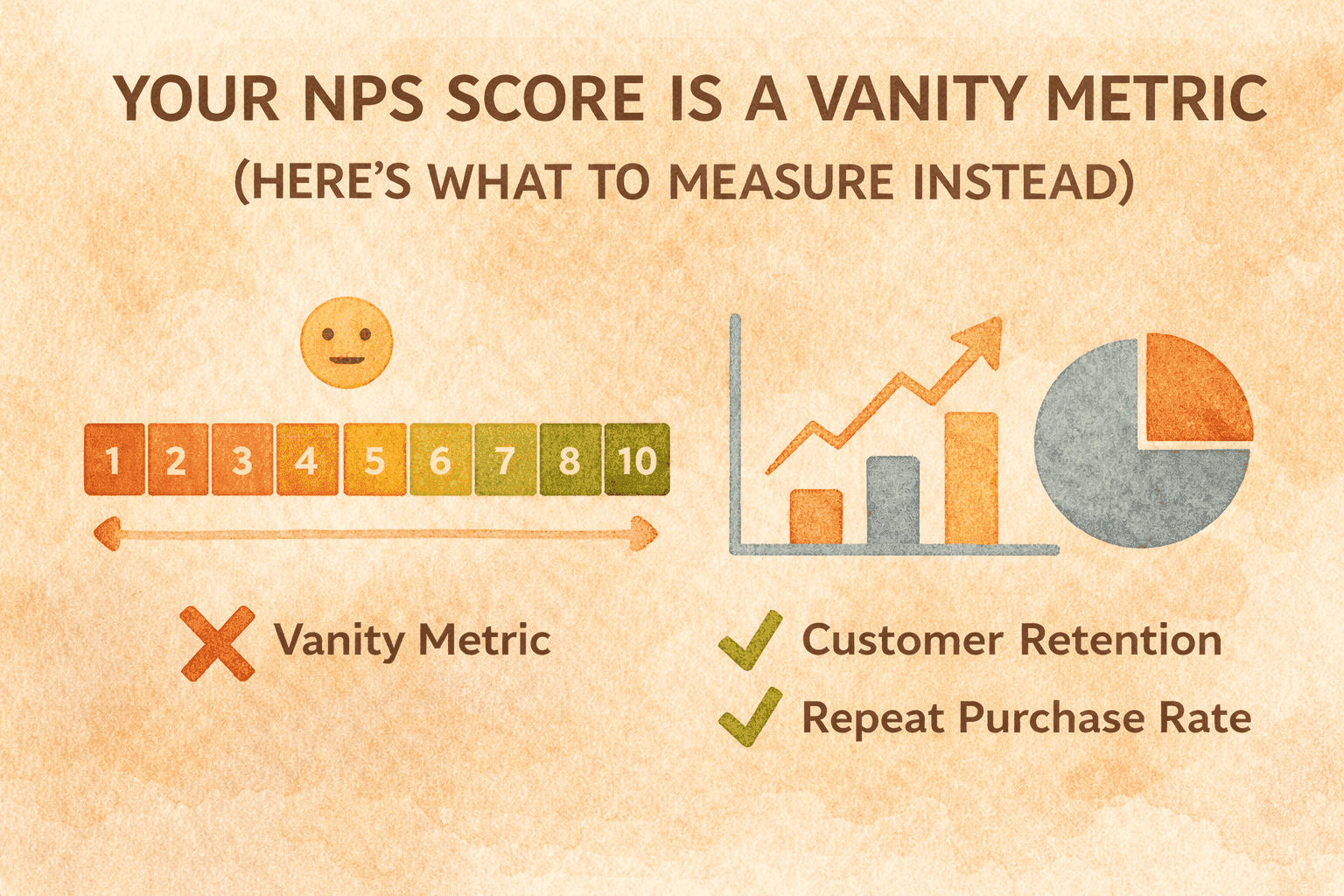
Your NPS Score Is a Vanity Metric (Here's What to Measure Instead)
NPS has become the metric everyone measures and nobody acts on. Learn why "likelihood to recommend" doesn't predict actual retention, the alternative metrics that actually correlate with revenue, and the "Behavioral Health Score" framework that replaces survey sentiment with observable action.
Your Welcome Email Is Leaving Money on the Table - The First 30 Days That Determine Lifetime Value
slug: onboarding-sequence-optimization title: Your Welcome Email Is Leaving Money on the Table - The First 30 Days That Determine Lifetime Value reading_time: 16 minutes meta_title: Ecommerce Onboarding Sequence Optimization for Retention | Uncommon Insights Your welcome email has a 69% open rate...
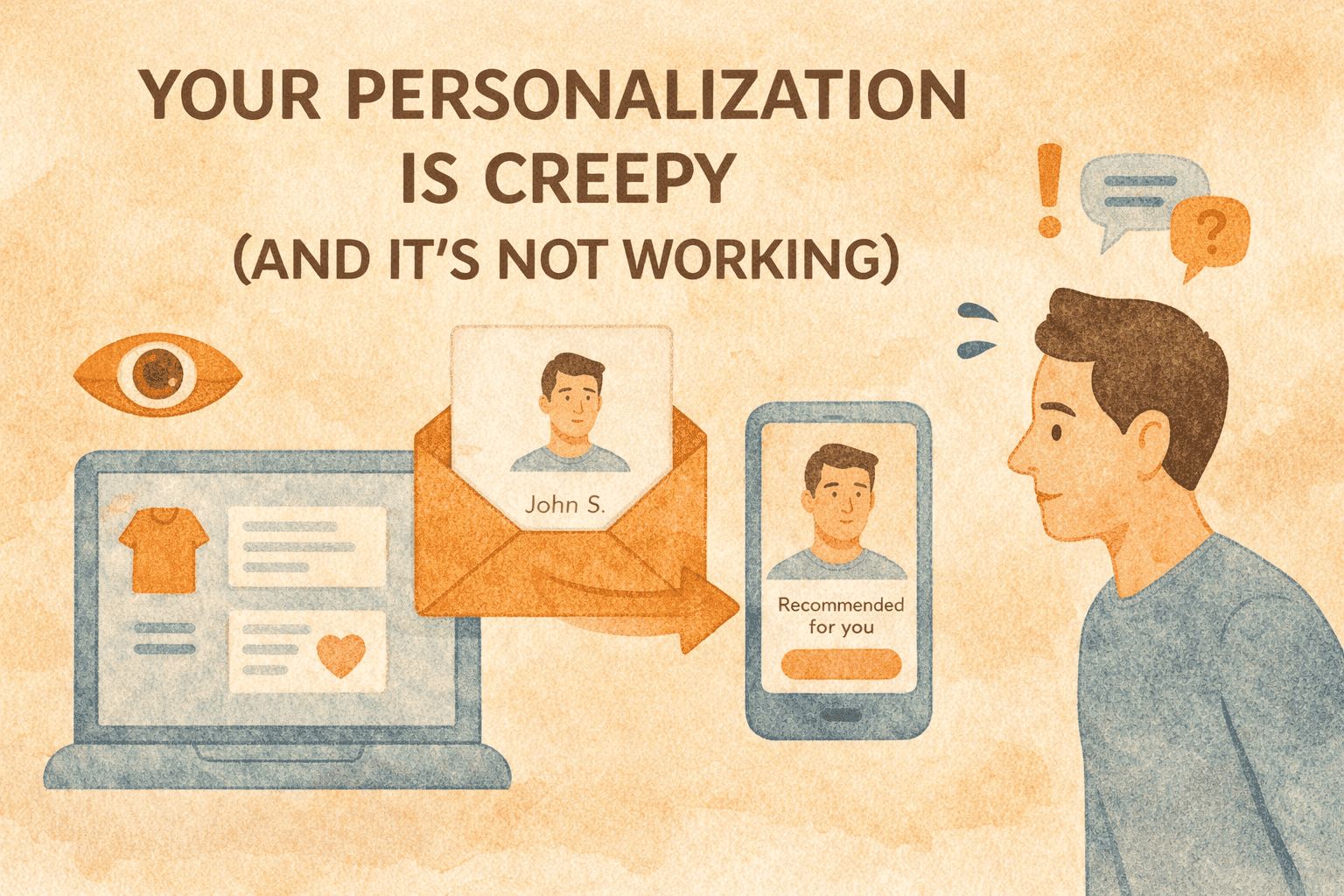
Your Personalization Is Creepy (And It's Not Working)
41% of customers find retail personalization creepy-and 96% of retailers struggle to execute it effectively. Learn the "Permission-Based Personalization" framework that turns invasive targeting into welcomed relevance, with the data hierarchy that respects privacy while driving conversion.
Post-Purchase Email Sequences: 7 High-Converting Campaigns
Most brands send one order confirmation and go silent-while $890 billion in merchandise gets returned annually. Learn the 7-sequence "Retention Sequence Architecture" that turns the post-purchase window into a repeat purchase engine, with specific playbooks for the 72-hour validation protocol and 90-day relationship build.
Your Customers Don't Know How to Use Your Products - And It's Costing You Retention
Your customer bought a high-quality product. They were excited. Then they got it home. They didn't use it correctly. They didn't care for it properly. They didn't discover its best features. They got mediocre results from a premium product. Now they're disappointed. They blame your product. They ...
Your Push Notifications Are Training Customers to Ignore You
46% of users opt out after receiving just 2-5 push notifications per week. Your notification strategy isn't building loyalty-it's training customers to tap "Disable." Learn the "Signal-to-Noise Protocol" that transforms push from interruption to anticipation, with the frequency limits and trigger rules that separate retention-driving notifications from relationship-destroying spam.
Your Referral Program Is Underperforming Because You Designed It Wrong
Word-of-mouth is the most trusted marketing channel by a landslide, with 92% of consumers trusting recommendations from people they know. The economic impact is massive, with word-of-mouth influencing $6 trillion in global sales annually. Yet most ecommerce referral programs generate marginal res...
Your Retention Dashboard Shows Lagging Indicators (Here's What to Watch Instead)
Most retention dashboards show you what already happened-churn that's already occurred, customers who already left. Learn the "Predictive Retention Dashboard" framework that surfaces leading indicators and at-risk signals, letting you intervene before retention becomes a historical statistic.
Your Email Automation Is Stuck on Welcome Flows - Here's the Full Lifecycle System
You've built your welcome series. You've set up abandoned cart recovery. Maybe you have a post-purchase thank-you. Congratulations. You've automated acquisition. But what happens after that? For most ecommerce brands: nothing. Manual campaigns. Sporadic newsletters. Hope that customers come back....
Retention Cost vs Acquisition Cost Analysis
Klaviyo just released their 2025 benchmark data showing that email and SMS revenue per recipient dropped 11% year-over-year for brands still running acquisition-first playbooks.
Retention Rate Benchmarks by Industry & Channel
Why your "good" retention numbers are actually killing your business. Discover the Retention Reality Index (RRI) - a context-specific benchmarking system that reveals what retention actually looks like for your industry, channel mix, and geographic market.
Your Reviews Are Buried on Product Pages - Here's How to Turn Them Into a Retention Engine
You're collecting reviews. Good. They're sitting on product pages helping conversion. Also good. But that's where most brands stop. Reviews as conversion tool. Transaction complete. Here's what you're missing: reviews are a retention goldmine hiding in plain sight. 97% of consumers read reviews b...
RFM Analysis: Advanced Customer Segmentation
Why your "VIP customers" are actually bleeding you dry. Learn the Customer Value Compass (CVC) - a profit-focused segmentation that reveals your highest-spending customers might be your least profitable ones.
You're Treating Holiday Shoppers as One-Time Buyers - Here's How to Retain Them
The holiday season brings a flood of new customers. Black Friday. Cyber Monday. Christmas shopping. Your customer count surges. Then January arrives. Those new customers vanish. 64% of brands see lower retention from holiday customers. Nearly two-thirds of holiday customers are lower quality than...
SMS Marketing Isn't a Channel-It's a Retention Weapon (If You Stop Spamming)
98% open rates mean nothing if you're driving opt-outs. Learn the "Permission-First SMS" framework that transforms text messaging from promotional spam into retention infrastructure, with the message hierarchy that keeps customers engaged instead of annoyed.
Your Social Media Is a Broadcast Channel (And That's Why It's Failing Retention)
63% of marketers use social media for retention-but average engagement rates are just 2.8%. The channel is built for conversation, yet brands use it for megaphone marketing. Learn the "Social Relationship Framework" that turns followers into customers and one-time buyers into repeat purchasers through community, not campaigns.
Stop Selling Subscriptions, Start Selling Memberships
The "Subscribe & Save" button is a churn trap that trains customers to hunt for discounts. Learn the "Membership Value Framework" that transforms transactional subscriptions into genuine communities-with the 3-tier model that converts one-time buyers into loyal members, and the execution playbook for launching a paid program that pays for itself.
Your Customers Are Creating Content You're Not Using - The Retention Power of UGC
User-generated content is everywhere in ecommerce marketing. Customer photos on product pages. Reviews displayed prominently. Instagram posts embedded on homepages. All used for one purpose: converting new customers. 93% of marketers use UGC in their marketing. UGC works. Brands know it. But most...
Your Video Strategy Stops at Conversion - Here's How Video Drives Repeat Purchases
Video dominates ecommerce marketing. Product demos on landing pages. Social video ads. Unboxing videos. Influencer content. All focused on one thing: converting new customers. 87% of people prefer video content. Video converts. Brands know this. But after conversion? Video disappears from the cus...
Your Best Customers Get the Same Treatment as Everyone Else - That's Costing You
Your top 10% of customers generate a disproportionate share of your revenue. They buy more frequently. They spend more per order. They rarely need discounts to convert. And you treat them exactly the same as someone making their first $20 purchase. Same emails. Same website experience. Same suppo...
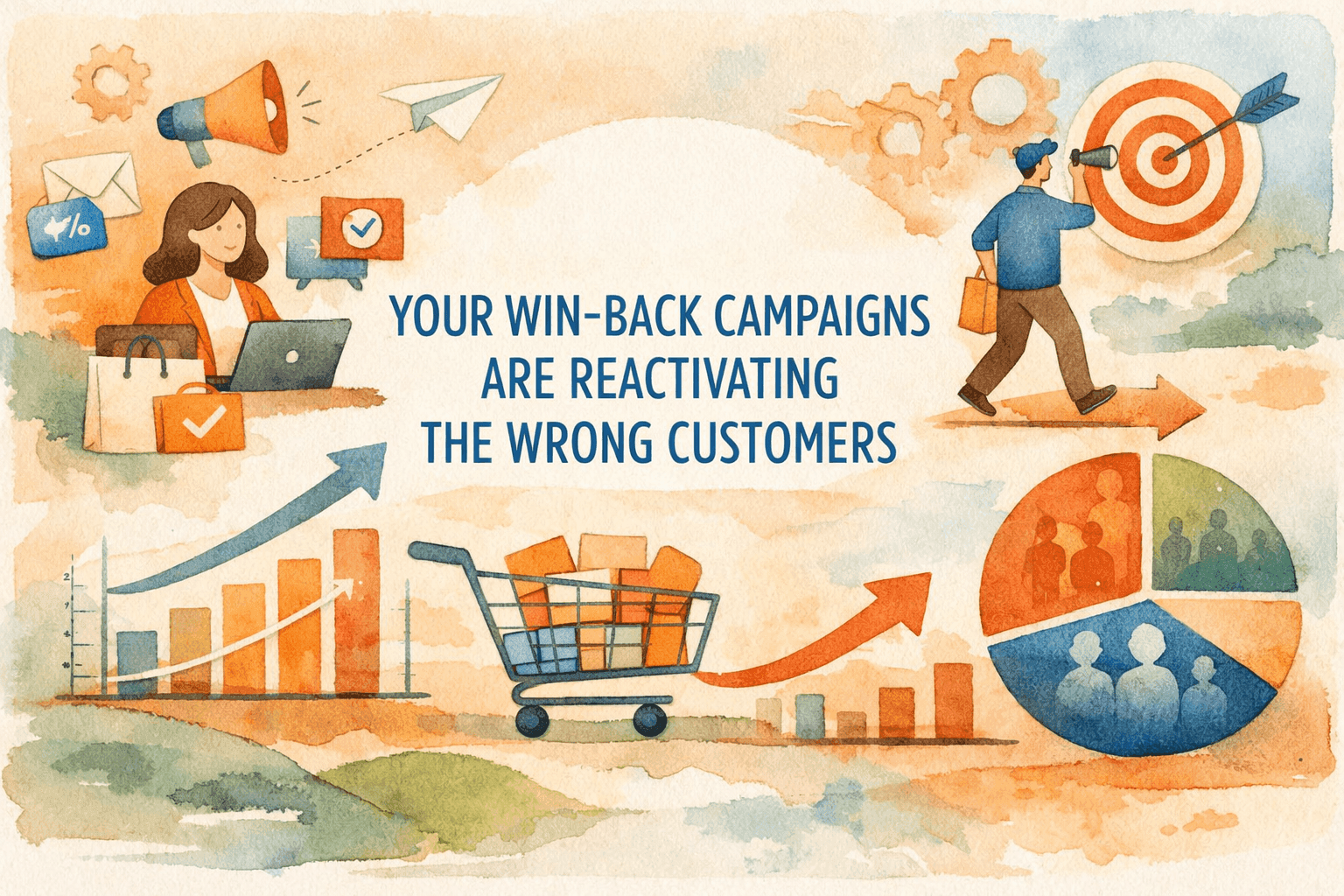
Your Win-Back Campaigns Are Reactivating the Wrong Customers
Most win-back campaigns celebrate 15% reactivation rates while hemorrhaging margin on customers who churn again within 90 days. Learn the "Churn Quality Index" (CQI) framework that separates profitable reactivation from expensive mistakes, with timing thresholds and execution playbooks that stop you from winning back customers who drain your profit.
Your Dashboard Is a Graveyard of Good Intentions
Why 90% of eCommerce dashboards are useless-and how to build one that actually makes you money. Learn the 7-Metric Rule: a ruthless framework for focusing only on what drives profit.
Zero Party Data Retention Strategies That Actually Work
Your retention program is built on guesswork. That's not an insult. It's a structural diagnosis of how most ecommerce brands approach customer data in 2026.
Ready to put customer retention to work in your business?
Get a hands-on operator to turn these frameworks into results — book a free audit call.