Complete Guide to Budgeting for $1M+ Businesses
Discover effective budgeting strategies tailored for businesses earning over $1M. Learn how to balance growth, manage cash flow, and plan for the unexpected.
21 October 2025

As your eCommerce business grows past the million-dollar revenue mark, the way you approach budgeting must evolve. What worked at $300,000 in revenue won’t cut it at $1M or $5M. At this scale, financial decisions become more complex, expenses balloon in absolute terms, and the stakes are much higher. Strategic budgeting is no longer a "nice-to-have" - it’s essential for balancing sustained growth with profitability.
This article delves into the nuanced challenges of budgeting for eCommerce businesses generating $1M-$10M in revenue. Drawing on experienced insights, we explore key strategies, common pitfalls, and a framework to help you make the most out of your financial resources while preparing for unforeseen challenges.
Why Budgeting Changes as Your Business Grows
At higher revenue levels, budgeting becomes an intricate balancing act. Founders and senior operators must shift their thinking from a survival mindset to a growth-oriented yet disciplined approach. Here’s why:
- Increased Scale of Expenses: A larger business means spending not just more money but spending it on more complex needs - larger teams, bigger software contracts, and expanded marketing initiatives.
- Emotional Impact of Large Numbers: Watching absolute dollar amounts grow can feel daunting. While the percentages of revenue allocated to expenses (e.g., marketing, R&D) might stay the same, the sheer size of expenditures can be psychologically challenging to process.
- Higher Stakes: The risks associated with poor financial decisions or inadequate contingency planning grow in proportion to the size of your business.
- Proactively Balancing Growth vs Profitability: A key challenge is maintaining profitability while re-investing in growth - a delicate equilibrium that requires foresight, discipline, and flexibility.
The Core Budgeting Challenges for $1M+ Businesses
1. Contingency Planning: Preparing for the Unforeseen
Growth often brings unexpected costs - whether it’s hiring a new team member, replacing equipment, or investing in a sudden opportunity. A robust contingency plan ensures you can weather surprises without derailing your operations.
- Build Reserves: Aim to maintain three months of operating expenses in cash or easily accessible funds.
- Understand Borrowing Capacity: Have clear access to credit lines or financing options for unforeseen opportunities or emergencies.
2. Balancing Growth vs Profitability
At this stage, growth is no longer about "hustling harder" but involves strategic reinvestments. To grow, you may need to sacrifice short-term profits, but this requires careful planning.
- Invest in Future Capacity: Hiring ahead of demand, purchasing new technology, or expanding into R&D are all moves that consume cash today in the hopes of future returns.
- Monitor Profitability: Avoid growth that diminishes your margins to unsustainable levels. Regularly assess how expenses tie back to revenue growth.
3. Short-Term Cash Flow Management
As expenses grow, so does the complexity of managing cash flow. For example, payroll, large vendor contracts, and marketing campaigns may require significant outlays before revenue realises.
- Use 13-week rolling cash flow forecasts to monitor short-term liquidity.
- Tighten Granularity: Break down forecasts into smaller increments (weekly or bi-weekly) to identify and mitigate issues early.
4. Scaling Challenges: Absolute Dollar Growth
As businesses grow, the absolute dollar amounts in your budget will feel significantly larger, even if the percentages remain steady. For example:
- A 10% marketing budget for a $300,000 business is $30,000. For a $5M business, it balloons to $500,000.
- Similarly, team lunches for 5 people might cost $100, but for a 50-person team, even a simple pizza order can exceed $1,000.
The psychological shift required to feel comfortable with those larger numbers is essential. Normalising these figures within a framework of "percentages of revenue" can help you make decisions objectively.
5. Investing in R&D and Training
At the $1M+ level, businesses often find themselves needing to innovate - whether through new technology, automation, or AI integration. But these investments come with both direct costs and indirect costs (e.g., training teams).
- Set clear budgets for R&D and track ROI on these experiments.
- Factor in the cost of adoption, including team training and the time it takes to see results.
Profiting from Discipline: The Profit First Approach
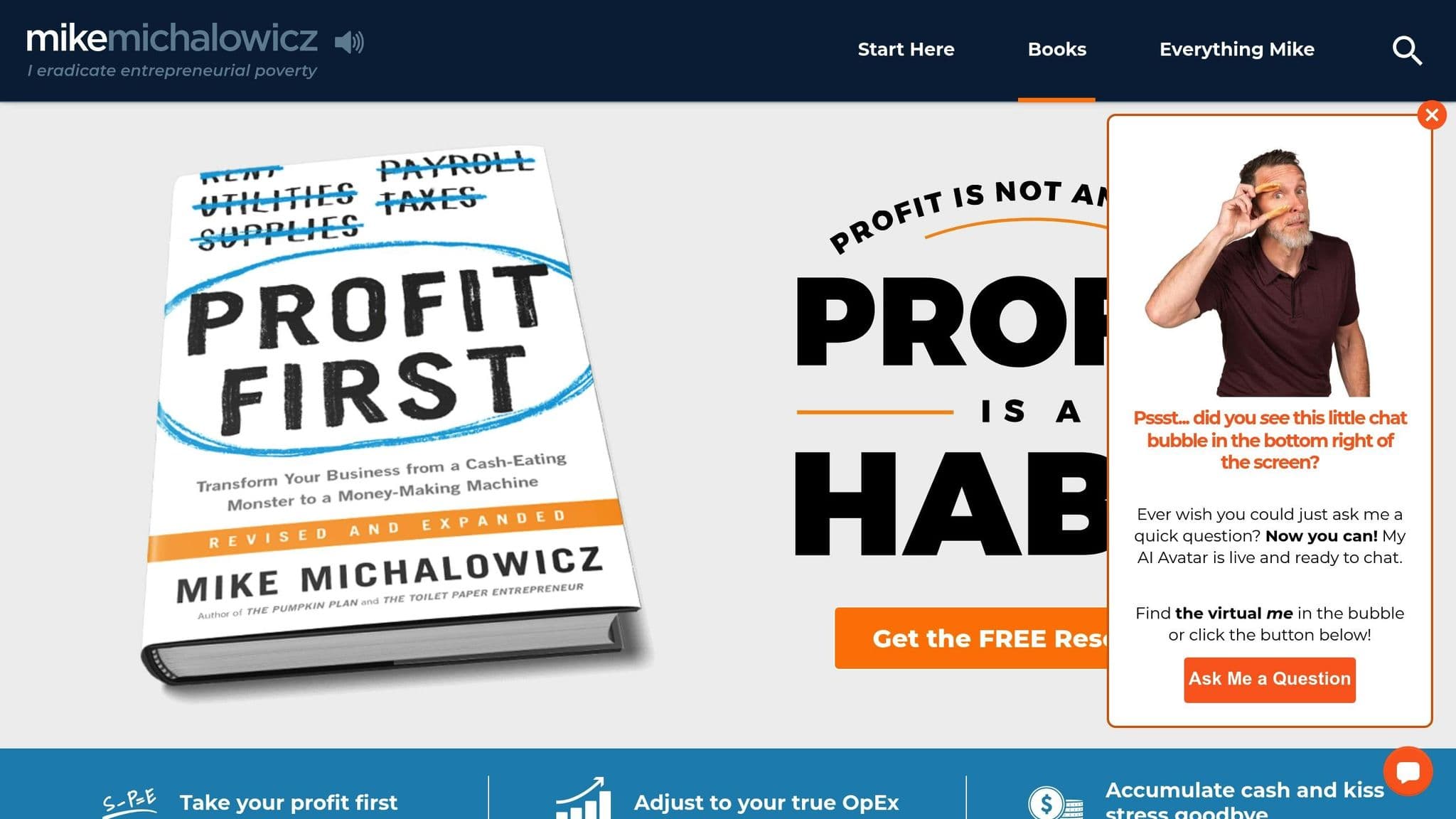
Budgeting isn’t just about spending wisely; it’s about ensuring the business serves the owner’s long-term goals. One effective approach discussed is the Profit First methodology, where every dollar is allocated to a specific purpose upon entering the business.
The Core Buckets of a Profit First Budget:
- Owner’s Compensation: Pay yourself first - this is the reason you’re in business.
- Taxes: Allocate funds for taxes to avoid surprises.
- Reserves: Save for emergencies or future investments.
- Operating Expenses: The remainder goes toward running the business.
This framework provides guardrails, ensuring both the business and the owner maintain financial health while avoiding impulsive spending.
Practical Tips for Scaling Budgets
1. Regularly Revisit Your Budget
Budgets are living documents. Adjust them quarterly or as your business evolves to reflect changing revenue, expenses, and goals.
2. Stop Overcommitting
As the business grows, it can be tempting to overextend resources or make personal financial decisions based on perceived success. Discipline is key - spending beyond your means can jeopardise both business and personal stability.
3. Plan for Big Expenses
Whether it’s purchasing new equipment, attending trade shows, or expanding warehouse space, start budgeting months (or even years) ahead to avoid sudden cash crunches.
4. Use Percentages to Maintain Perspective
When the dollar amounts seem overwhelming, recalibrate your decision-making by focusing on expense percentages relative to revenue. This ensures you stay objective.
Conclusion
For eCommerce businesses crossing the $1M mark, strategic budgeting is the cornerstone of scaling sustainably. It’s about more than tracking monthly spend - it’s about creating a system that balances growth, profitability, and long-term stability. By addressing challenges like contingency planning, emotional attachment to large expenses, and short-term cash flow, business leaders can navigate this phase with confidence.
Remember, your budget is not just a financial document - it’s a reflection of your business priorities and future goals. Treat it as a tool to support your vision and ensure that every dollar works toward building a business that thrives today and in years to come.
Key Takeaways
- Establish Contingency Plans: Maintain reserves for 3 months of operating expenses to handle unexpected costs.
- Reinvest Strategically: Balance growth initiatives (e.g., hiring, R&D) with profitability goals.
- Adopt Short-Term Forecasting: Use a 13-week rolling cash flow forecast to ensure liquidity.
- Normalise Larger Expenses: Focus on percentages of revenue rather than absolute dollar amounts.
- Implement Profit First: Allocate every dollar into pre-defined categories (e.g., owner’s compensation, taxes, reserves, operating expenses) for disciplined financial management.
- Revisit Budgets Regularly: Adjust quarterly to reflect changes in revenue, expenses, and strategic goals.
- Plan Ahead for Big Investments: Budget early for major expenses like equipment purchases, trade shows, or software upgrades.
- Avoid Overcommitting: Resist the temptation to overspend personally or professionally as the business grows.
- Invest in Team Development: Prioritise training and adoption costs when rolling out new tools or processes.
- Think Long-Term: Align spending with a multi-year vision to support sustainable growth.
By following these principles, decision-makers can set their eCommerce businesses on a path to not just growth, but resilient and profitable success.
Source: "Budgeting for Growth: What Every $1M+ Business Should Build" - One Step Better by Patrick Accounting, YouTube, Aug 13, 2025 - https://www.youtube.com/watch?v=dbpQEJiMg_s
Related Blog Posts
Painful Lessons Every Founder Must Learn
Cash Flow Forecasting for Rapid Growth: Avoid the $5M Crunch
VC Funding Is the New Toxic Debt
eCommerce Financial Planning: Cash Flow to $10M Revenue
Marketing Budget Calculator
How to Scale to €36M ARR - Sales, Focus & Profit
Newsletter
The Uncommon Insights Letter
Practical FMCG & eCommerce growth playbooks — margins, retention and scaling tactics, straight to your inbox.
Turn these ideas into profit you can see
Get a hands-on operator to turn the frameworks above into results — book a free audit call.