Top Examples of Bundling in FMCG and eCommerce
Examples and tactics for product bundling—pure, mixed, subscription and occasion bundles—that boost AOV, simplify shopping and move inventory in FMCG and eCommerce.
8 December 2025
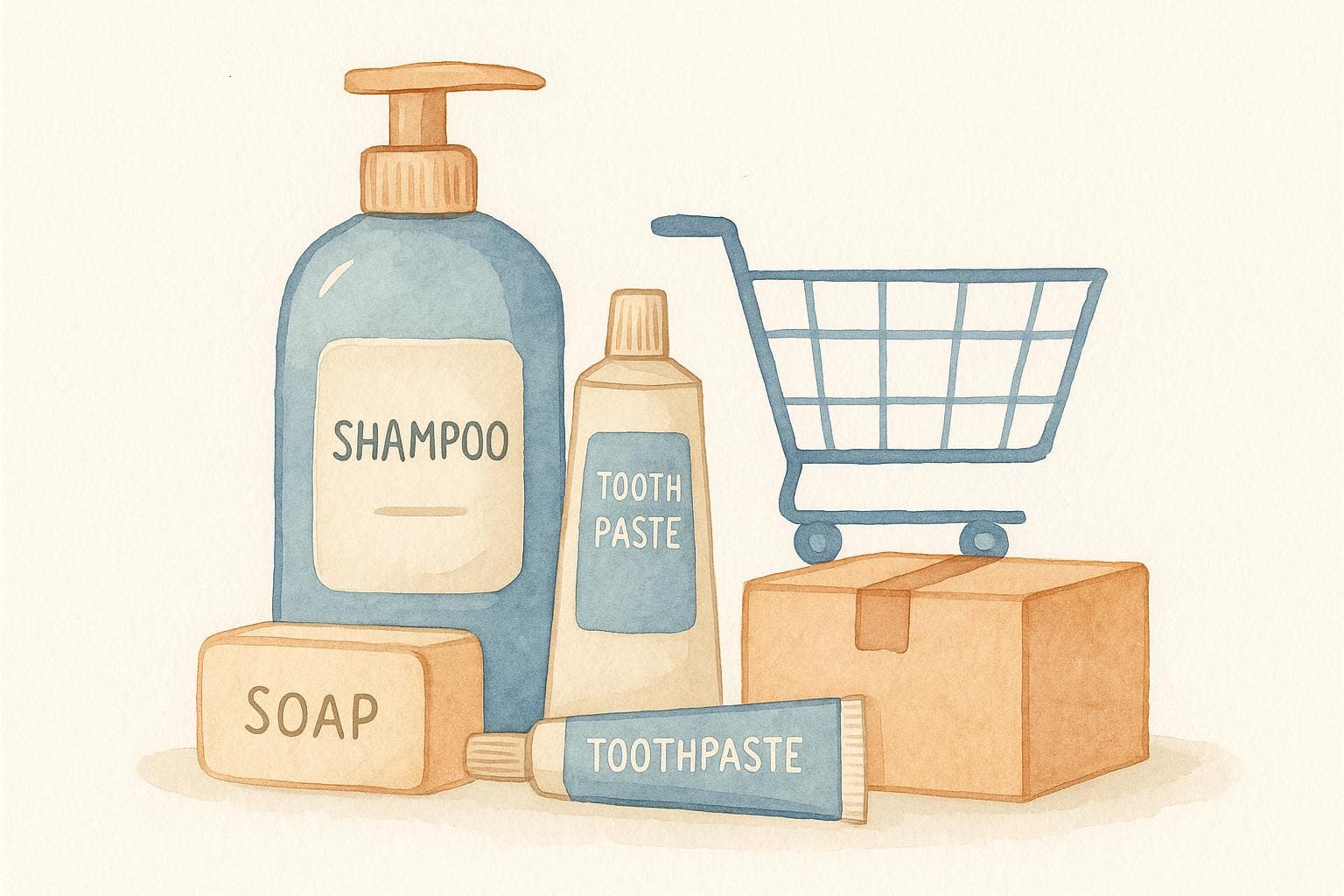
Bundling is a proven way to boost sales and simplify shopping. It combines related products into discounted packages, increasing average order value (AOV) and reducing decision fatigue. Australian brands like HiSmile and Maev have seen results like 15–20% AOV growth and larger cart sizes by using bundling strategies. Here’s a quick breakdown of the main bundling types:
- Pure Bundling: Products sold only as a set (e.g., HelloFresh meal kits, HiSmile toothpaste bundles).
- Mixed Bundling: Items sold individually or as a discounted bundle (e.g., Kylie Cosmetics Lip Kits, McDonald’s Value Meals).
- Subscription Bundling: Recurring delivery of products at a discount (e.g., pet food, cleaning supplies, HelloFresh subscriptions).
- Occasion-Based Bundling: Packs tailored to events or seasons (e.g., Christmas BBQ packs, Easter bundles).
Each approach meets specific customer needs, increases sales, and moves inventory efficiently. Successful bundling relies on data-driven insights, clear pricing, and customer-focused solutions. Brands can start small with high-demand bundles and refine them through testing.
Product Bundling: 7 Simple Tactics to Skyrocket Your Average Order Value
1. Pure Bundling
Pure bundling is a strategy where a set of products is sold exclusively as a single package, with no option to purchase the items individually. Unlike mixed bundling, which provides the flexibility to buy items separately or as part of a discounted package, pure bundling requires customers to purchase the entire set. This approach works particularly well when the products naturally complement each other, offering a complete solution while reducing decision fatigue. Below are some examples that highlight how pure bundling can enhance both customer experience and order value.
HelloFresh Meal Kits: All-in-One Recipes
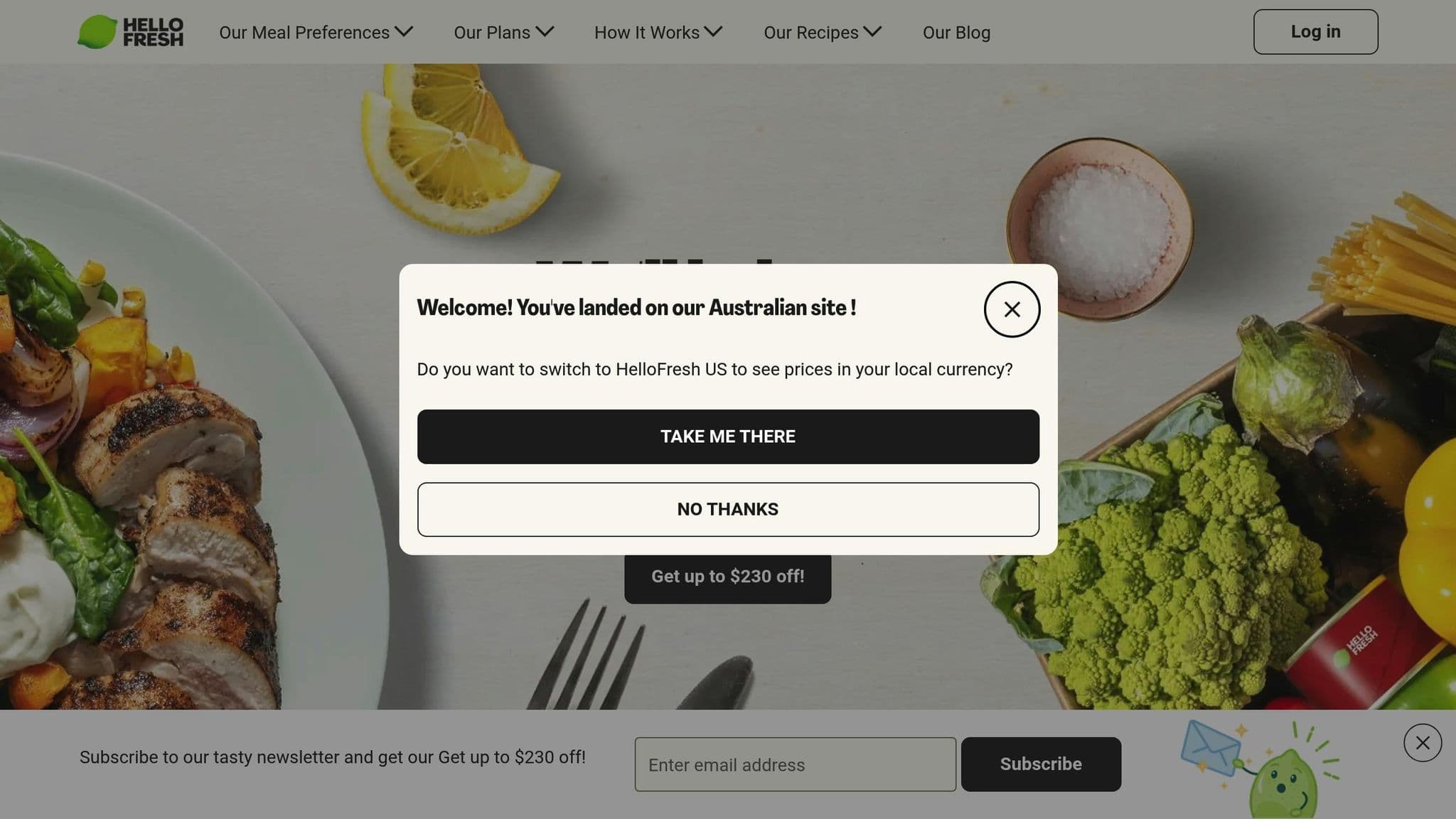
HelloFresh exemplifies pure bundling in the fast-moving consumer goods (FMCG) sector. Customers choosing a recipe receive all the necessary ingredients in pre-portioned bundles. This model not only increases average order value but also minimises food waste through precise portioning. Additionally, it fosters customer loyalty by seamlessly integrating meal planning into their weekly routines.
By eliminating the need for price comparisons and ensuring every meal is fully supported with the right ingredients, HelloFresh simplifies the shopping experience and enhances customer satisfaction.
LoveSeen Starter Kits: Complete Introduction
LoveSeen, a retailer specialising in false eyelashes, uses pure bundling to introduce customers to its product range. Their starter kit includes lashes, lash glue, and tweezers - all the essentials for a seamless application experience. This bundled approach not only showcases how the products work together but also highlights the value of each component, encouraging additional purchases.
Beyond improving the customer experience, this strategy simplifies marketing and distribution by consolidating multiple products into a single, cohesive offering.
HiSmile Flavour Discovery Bundles: Encouraging Exploration
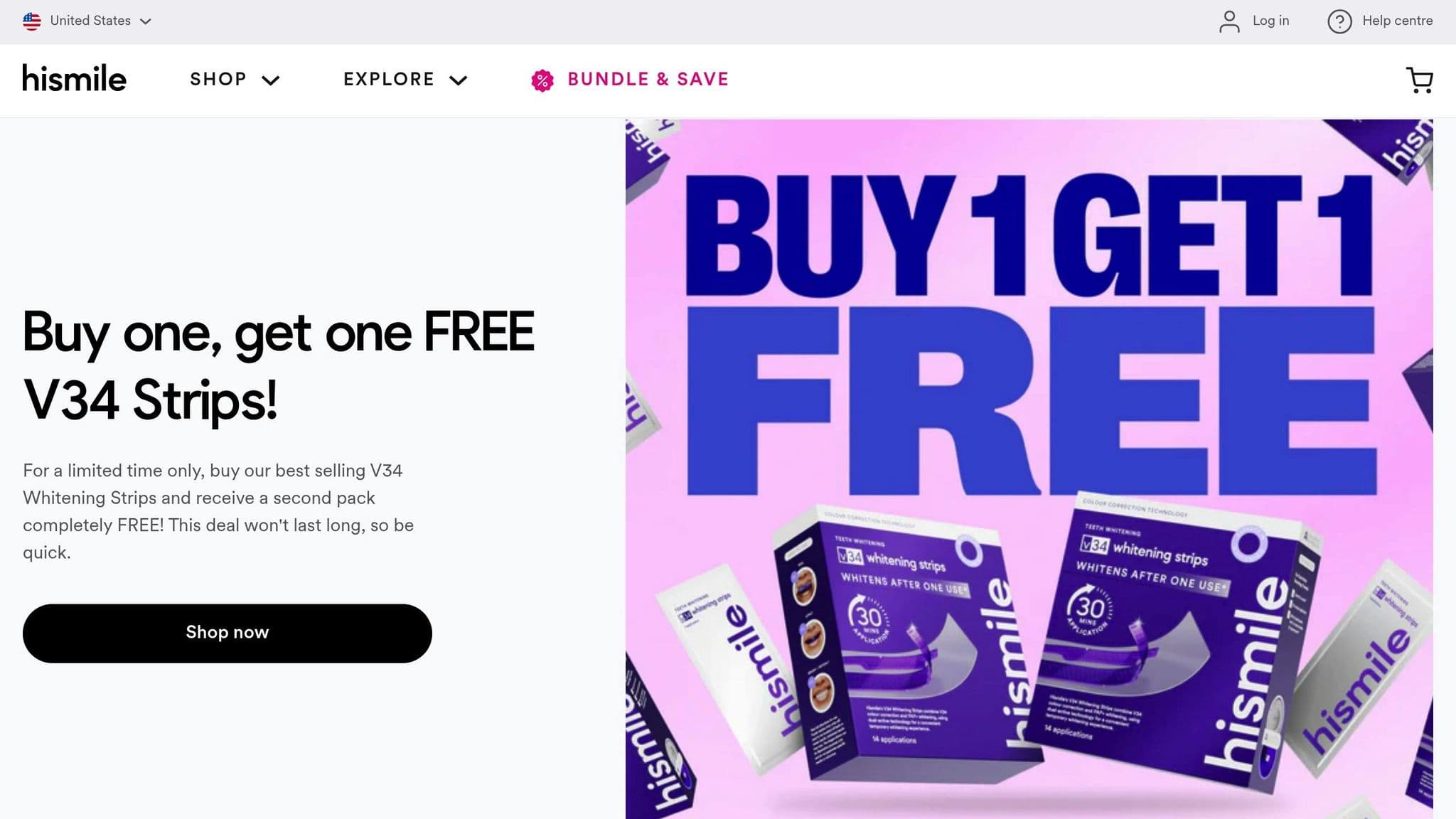
HiSmile, known for its oral care products, launched a bundle featuring over 10 different toothpaste flavours. This pure bundling approach allows new customers to explore various options and find their favourite flavour. The strategy proved highly effective, with these bundles dominating sales and significantly increasing cart values.
By shifting the focus from committing to a single flavour to offering a discovery experience, HiSmile reduces the perceived risk of trying something new and transforms a straightforward purchase into an engaging exploration.
For Australian FMCG and eCommerce brands, the success of pure bundling lies in creating packages that offer a clear, complete solution rather than a random assortment of products. Done right, this approach simplifies purchasing decisions, enhances perceived value, and drives higher average order values. Brands aiming to refine their bundling strategies can leverage market insights and tools like basket analysis. Companies such as Uncommon Insights provide tailored, data-driven solutions to help Australian businesses optimise their bundling efforts.
2. Mixed Bundling
Mixed bundling gives customers the flexibility to buy items either individually or as part of a discounted bundle. Unlike pure bundling, which requires customers to purchase everything together, this approach caters to different shopping preferences while still encouraging higher-value purchases. It works particularly well when individual products are popular on their own but are also often bought together, making the bundled discount appealing without removing choice. Below are examples from FMCG and eCommerce that highlight how mixed bundling can be a win-win for businesses and customers.
Kylie Cosmetics Lip Kits: A Blend of Choice and Savings
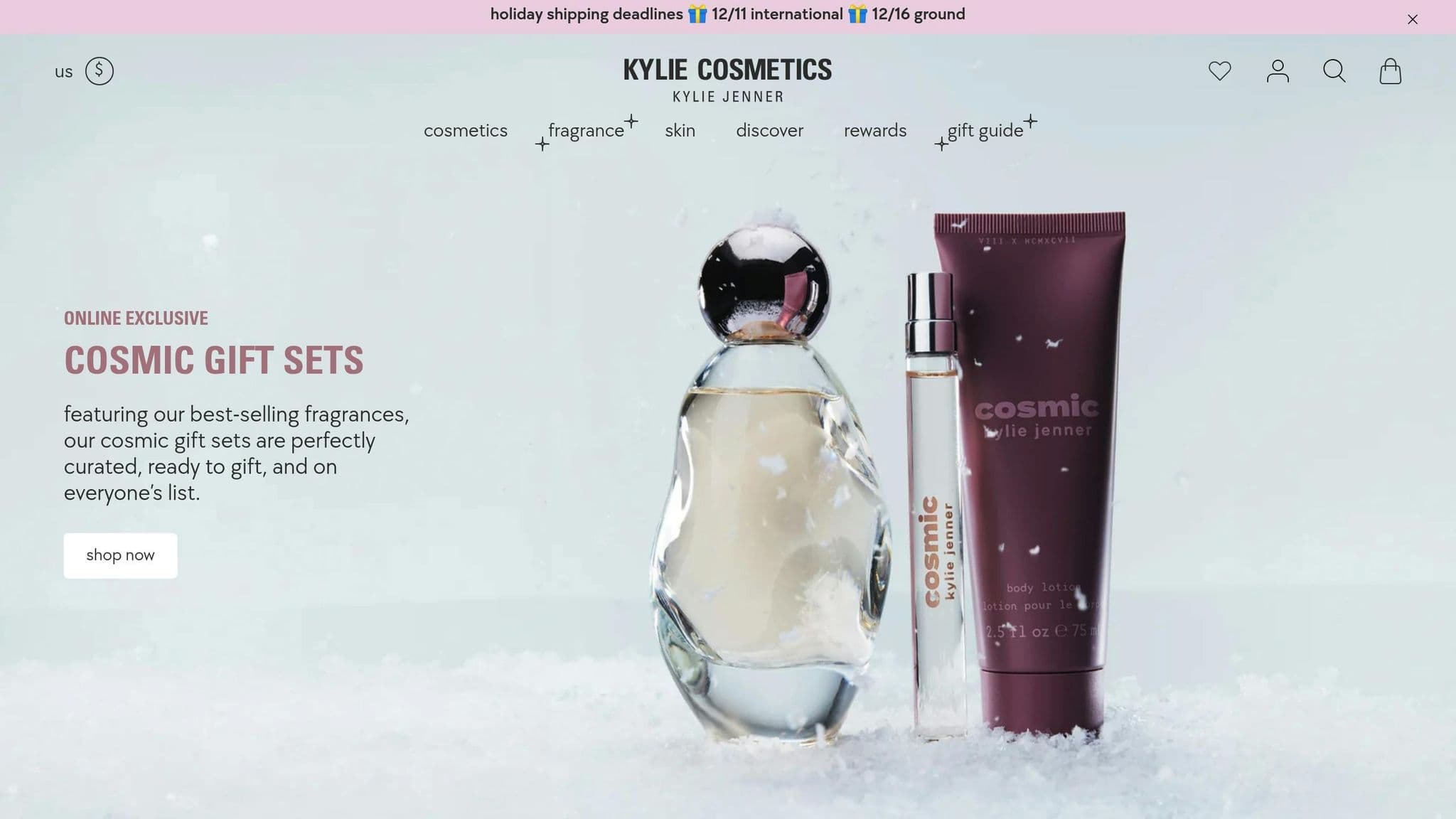
Kylie Cosmetics showcases how mixed bundling can thrive in the beauty industry. The brand offers lip liners and lipsticks as standalone products but also combines them in a discounted Lip Kit. This gives customers the option to purchase a single item or enjoy savings by opting for the bundle.
This strategy not only caters to varying customer needs but also encourages higher spending. Customers who might not have planned to buy both items are tempted by the bundle, boosting both unit sales and the average order value.
McDonald's Value Meals: A Familiar FMCG Strategy
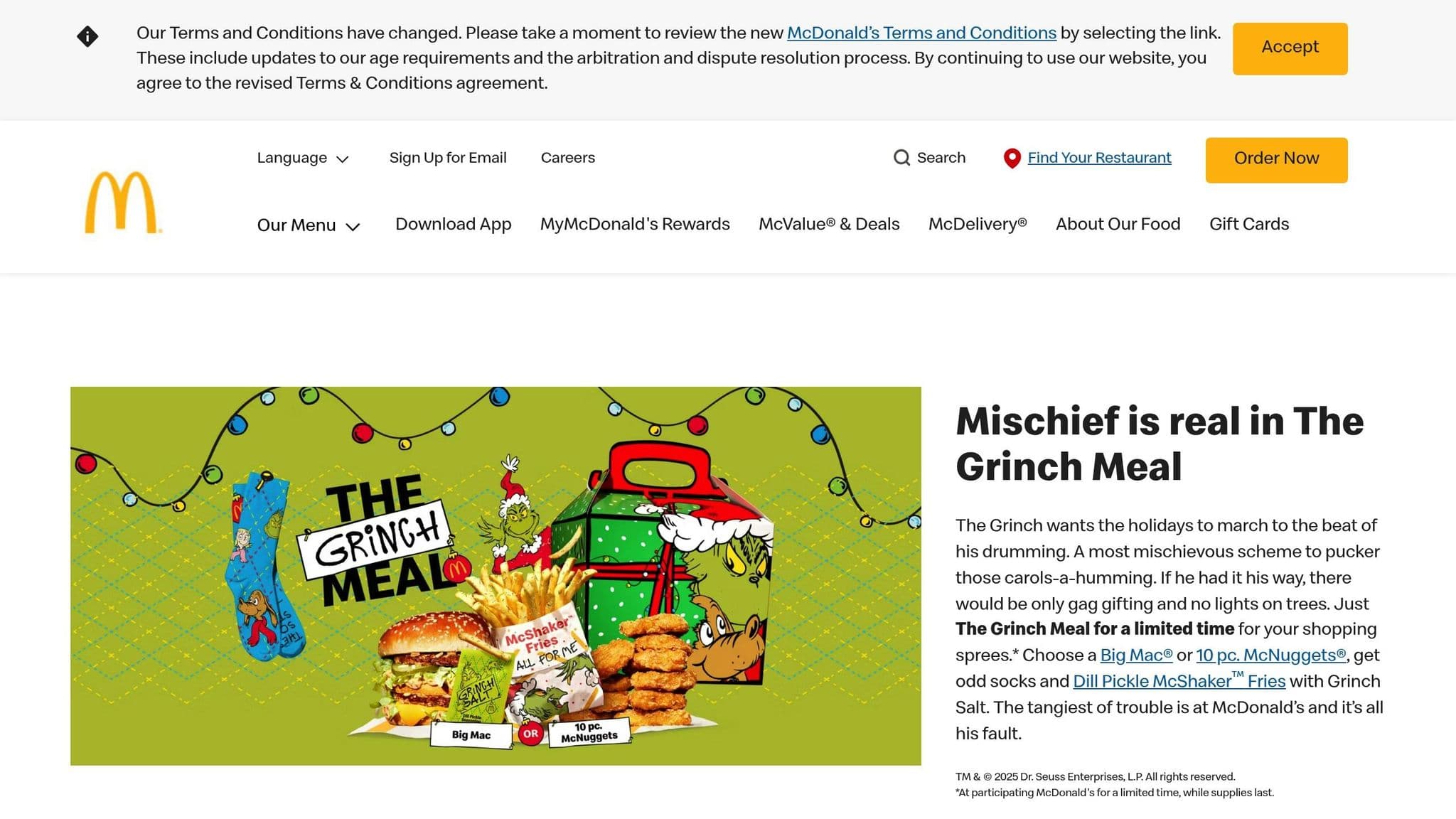
Fast-food combo meals are perhaps the most well-known example of mixed bundling in the FMCG sector. At McDonald's, customers can purchase burgers, chips, and drinks individually, but the discounted combo meals often steal the spotlight. By bundling these items, McDonald's nudges customers who might have otherwise chosen just a burger to add sides and a drink, increasing the overall spend per transaction.
This model is effective because it’s straightforward and transparent. The savings are clear, and customers still have the freedom to customise their orders or skip items they don’t want. In Australia, supermarkets have adopted a similar approach with meal deals, bundling a sandwich, snack, and drink at a reduced price while keeping each item available for separate purchase.
Coconu: Boosting eCommerce Metrics with Bundles
In the eCommerce world, mixed bundling has proven to be a game-changer. For example, Coconu, a lubricant brand, experienced a 20% increase in average order value after introducing product bundles while still allowing customers to buy items individually. This demonstrates how bundling can drive significant improvements in key metrics without alienating shoppers who prefer more selective purchases.
Australian businesses can replicate this success by using basket data to identify complementary products and setting bundle prices 15–20% lower than the total cost of individual items. Clearly displaying the savings (e.g., "Was $42, now $35") and marketing bundles as "Value Packs" or "Smart Combos" can further enhance appeal.
For brands considering mixed bundling, data-driven insights and testing are essential. Sydney-based consultancies like Uncommon Insights assist Australian FMCG and eCommerce businesses in identifying promising bundling opportunities. By analysing customer behaviour and testing pricing strategies, they help businesses strike the perfect balance between perceived value and profitability.
3. Subscription Bundling
Subscription bundling secures consistent revenue by combining multiple products into a recurring delivery at a discounted price. These bundles are shipped automatically on a set schedule - be it weekly, monthly, or quarterly - offering savings compared to buying items individually. For FMCG and eCommerce brands, this model simplifies demand forecasting, increases average order value, and strengthens customer loyalty through regular engagement. By blending pure and mixed strategies, subscription bundling not only ensures steady income but also deepens the connection with customers.
In Australia, subscription bundling is particularly effective for products people consume regularly, such as coffee, pet food, toiletries, cleaning supplies, and vitamins. Customers appreciate the convenience of automatic reordering, while businesses benefit from reduced churn, lower marketing costs per transaction, and improved retention as multiple items are delivered together on a predictable schedule.
HelloFresh Meal Kits: Pure Bundling on Repeat
HelloFresh offers pre-portioned meal kits on a weekly subscription, making meal planning easier while improving forecast accuracy. This model helps HelloFresh manage supplier relationships and inventory more effectively, thanks to reliable volume predictions. Australian meal-kit providers have embraced similar strategies, adapting recipes to suit local preferences and seasonal ingredients.
Everyday Essentials: Coffee, Pet Food, and Household Items
The convenience of subscription bundling has extended beyond meal kits to everyday essentials. Many Australian eCommerce brands now offer subscription options for frequently used products. Take coffee, for instance: a monthly subscription might include several bags of beans or a box of pods, discounted by 10–15% compared to one-off purchases. Pet food subscriptions often bundle a month’s supply of dry food, wet food, and treats into one delivery, increasing average order value and fostering loyalty. Similarly, cleaning product subscriptions might combine items like laundry detergent, surface spray, and dishwasher tablets, delivered every two or four weeks. These bundles often highlight savings in AUD (e.g., "Was $42, now $35 per delivery") and provide flexible frequency options.
Tiered Subscription Boxes: Options for Every Budget
Tiered subscription boxes cater to a variety of customer needs, showing how bundling can deliver value at different price points. Brands might offer basic, standard, and premium tiers, allowing customers to choose based on their budget and preferences. For example, a snack box subscription could start at $25 for five items, go up to $40 for ten items, or reach $60 for fifteen items, including exclusive or organic options. This approach not only segments the market but also encourages customers to upgrade over time. Beauty and wellness brands often use tiered boxes to introduce new or slower-moving products alongside popular ones, turning the subscription into both a replenishment service and a discovery tool.
Crafting Profitable Subscription Bundles
Creating a profitable subscription bundle begins with data. Analysing order history helps brands identify which products are often bought together or replenished at similar intervals, forming the foundation of a compelling bundle. Typically, FMCG bundles include high-demand "hero" products to attract subscribers, paired with complementary items that add value. Occasionally, brands might include new or slower-moving products to encourage cross-selling and product trials.
Profitability hinges on aligning costs with discounts and fulfilment. Incorporating higher-margin or private-label products can offset the impact of offering a 10–15% discount. Psychological pricing - like setting the price at $39.95 instead of $40 - can also make bundles more appealing and drive higher-value purchases.
Operationally, the checkout process should make subscription bundles a standout option, highlighting savings and offering flexible delivery schedules (e.g., every two, four, or eight weeks). Customers should have easy access to controls that allow them to pause, skip, adjust, or cancel subscriptions. This flexibility is key to reducing churn and ensuring customers feel in control, which supports the operational efficiency needed to sustain higher order values.
For Australian FMCG and eCommerce businesses aiming to compete globally, understanding local shopper habits, logistical costs, and category-specific trends is vital. Sydney-based firms like Uncommon Insights can help brands analyse customer data, segment audiences, and test various bundling and pricing strategies. Through tools like A/B testing, businesses can refine bundle compositions, pricing tiers, and messaging to create a seamless and appealing subscription experience from start to finish.
4. Occasion-Based Bundling
Occasion-based bundling revolves around grouping products tailored to specific events, seasons, or use cases. Think Christmas lunch, back-to-school essentials, summer BBQs, Easter gatherings, or Mother’s Day gifts. Unlike other bundling strategies, this approach focuses on timing and shopper needs, offering a one-stop solution that simplifies event preparation and reduces decision fatigue.
In Australia, this strategy thrives during major retail peaks and national events. Retailers often create ready-to-go packs for occasions like Christmas BBQs, Easter hampers, Father’s Day gift boxes, or AFL/NRL grand final gatherings. By packaging everything needed for a specific event and offering a small discount, brands not only increase average order value but also make shopping quicker and more convenient. This leads to specially curated seasonal bundles that align with Australia’s key moments of celebration.
Seasonal Celebration Packs: Christmas, Easter, and Long-Weekend BBQ Bundles
Seasonal celebration packs are a standout example of occasion-based bundling, particularly in FMCG and eCommerce. These bundles are designed for Australia’s major holidays and long weekends, offering shoppers a complete solution with just one click. For instance:
- A Christmas BBQ pack might include premium sausages, marinated chicken, burger patties, coleslaw, bread rolls, condiments, and a choice of soft drinks or beer - everything you need to entertain family and friends.
- An Easter bundle could feature hot cross buns, chocolate eggs, lamb, vegetables, and wine for a traditional feast.
- Long-weekend BBQ packs are popular ahead of Australia Day, the Queen’s Birthday, or Labour Day, tapping into the Aussie love for outdoor entertaining.
These bundles not only boost basket sizes but also simplify the shopping process. Shoppers save time and feel they’re getting better value through bundled pricing, which often offers a 10–20% discount compared to buying items individually. Pricing is set at appealing round figures like $49, $79, or $99 to emphasise value. Including a mix of popular items alongside slower-moving products helps maintain profitability while encouraging customers to explore new offerings.
A great example comes from Liquor Loot, an Australian eCommerce brand that created occasion-specific bundles for holidays and events. This strategy helped them achieve $1 million in monthly sales in just 92 days. By using pre-sale discounts to manage cash flow and fund increased ad spend during peak periods, Liquor Loot showed how aligning bundles with local events can deliver impressive results.
Designing Effective Occasion-Based Bundles
Creating successful occasion-based bundles starts with understanding customer behaviour. Analyse sales data to identify key dates and the products customers typically buy together - like December holiday staples, Easter treats, or snacks for footy finals. Think about the missions behind these purchases: Are customers shopping for “Christmas lunch for six,” “back-to-school snacks,” or “winter comfort meals”? Once you’ve identified the top shopper needs, build bundles that address them fully.
Naming is crucial. Use clear, event-focused names such as “BBQ Party Pack,” “Lunchbox Snack Bundle,” “Summer Beach Essentials,” or “Easter Family Treat Box” to make their purpose instantly clear. Pair these bundles with limited-time promotions - like “This weekend only” or “Available until 31 December” - to create urgency, especially during peak retail periods in Australia. Highlight both convenience and value in your messaging, emphasising that the bundle includes “everything you need” while saving money compared to buying items separately.
For Australian FMCG and eCommerce brands, tailoring bundles to local preferences is key. Feature events and traditions that resonate with Australians, like State of Origin viewing packs, Christmas pavlova kits, or summer picnic essentials, to connect with shoppers on a cultural level.
From an operational perspective, promote these bundles prominently on your homepage, category pages, and in email campaigns leading up to key events. Test their placement at checkout as last-minute add-ons. Offering tiered bundles - small, medium, and family-sized options - can cater to different budgets while encouraging customers to trade up for greater discounts at higher tiers. This approach not only captures a broader audience but also maximises average order value.
For brands aiming to fine-tune their occasion-based bundling strategy, working with experts who understand local shopping habits can be a game-changer. Sydney-based consultancies like Uncommon Insights specialise in analysing customer data, identifying high-value occasions, and testing bundle configurations, pricing, and messaging. By aligning products with specific events, Australian brands can boost growth while making the shopping experience smoother and more enjoyable for customers.
Conclusion
Bundling is a proven strategy for Australian FMCG and eCommerce brands looking to boost average order value, enhance customer satisfaction, and drive steady revenue growth. The success of bundling lies in crafting offers that meet genuine customer needs rather than simply serving internal inventory goals. Take HiSmile, for instance - its bundles now feature in over 80% of orders, quadrupling cart size. Similarly, Coconu and Maev have achieved a 20% increase in order value, with Maev also seeing a 15% rise in AOV and a 20% increase in units sold.
Beyond the numbers, bundling adds convenience for customers. Whether it’s a Christmas BBQ pack, a back-to-school essentials kit, or a curated skincare routine, these bundles simplify decision-making while offering clear value. Transparent pricing in AUD, paired with visible savings compared to individual purchases, helps reinforce this value without diluting the brand’s reputation.
Different bundling models cater to specific needs. Pure bundles shine when convenience and curation are priorities, such as meal kits or tightly integrated product sets. Mixed bundles allow customers to enjoy savings while selecting individual items, making them appealing to various budgets and preferences. Subscription bundles generate predictable revenue streams, perfect for replenishment categories like personal care, household goods, or pet supplies. Occasion-based bundles, meanwhile, tap into seasonal demand, thriving during events like Australia Day, Easter, or Mother’s Day.
The best results come from data-driven strategies. Analysing order history and basket trends reveals which products naturally pair together, enabling brands to create bundles that resonate with their audience. Testing different compositions, price points (e.g., $49, $79, $99), and messaging helps refine the approach. Tracking key metrics - such as average order value, units per transaction, gross margin per order, and bundle attach rates - ensures profitability. Additionally, monitoring inventory metrics like days on hand and markdown rates is crucial, especially for perishable FMCG products.
Rather than overcomplicating with dozens of configurations, focus on a few high-impact bundles that address specific customer needs. Think along the lines of "weekly lunches sorted", an "eco-friendly cleaning starter kit", or "footy finals entertaining essentials." Clear, simple offers with transparent pricing make it easy for customers to see the value at a glance. An ongoing optimisation process, informed by real data and customer feedback, ensures continuous improvement.
For brands ready to move past trial-and-error, Sydney-based consultancies like Uncommon Insights can fast-track the process. They help identify promising bundle opportunities, design offers tailored to Australian consumers, and implement test-and-learn strategies that scale only the most successful bundles - those that genuinely grow revenue, improve margins, and elevate customer satisfaction.
FAQs
What’s the best way for Australian brands to choose a bundling strategy for their products?
To craft an effective bundling strategy, Australian brands need to start by getting to know their audience - what do your customers want, and what are their preferences? Dive into their purchasing habits and look for products that naturally complement each other. These combinations can create bundles that feel tailored and offer genuine value.
Experimentation is key. Try out different approaches like discounted product bundles, seasonal offers, or subscription-based packages to see what clicks with your audience. Make sure your strategy aligns with your business goals, whether that's moving surplus inventory, driving up sales, or strengthening customer loyalty.
For lasting results, regularly review your performance. Keep an eye on customer feedback and sales data to tweak and improve your bundling approach over time.
How can businesses price product bundles to balance customer value with profitability?
Pricing bundled products requires a thoughtful approach to strike the right balance between customer satisfaction and profitability. Start by evaluating the individual prices of the items in the bundle and offering a discount that feels worthwhile to customers - without cutting too deeply into your margins. The perceived value of the bundle is crucial; customers need to believe they’re getting a better deal than if they bought the items separately.
Experimenting with different price points is another key step. Testing helps you identify the "sweet spot" where both sales and profit are optimised. Be sure to factor in customer behaviour and preferences, along with what competitors are charging. In Australia, bundling often works well when combined with perks like free shipping thresholds or limited-time seasonal offers. To stay competitive, regularly review performance data and listen to customer feedback, adjusting your pricing strategy as needed.
How can data-driven insights improve bundling strategies in FMCG and eCommerce?
Data plays a key role in shaping bundling strategies, giving businesses a clearer understanding of customer preferences, shopping habits, and trends in the market. By digging into this information, FMCG and eCommerce brands can pinpoint which products are frequently bought together, helping them design bundles that resonate with their audience.
This strategy doesn't just boost sales - it also improves the customer experience by offering convenience and value. For instance, pairing complementary products like shampoo and conditioner or phone cases with screen protectors can lead to higher conversions while addressing customer needs in a practical way.
Related Blog Posts
Bundling Strategy Economics: The AOV Trap That Destroys Margin (And How to Bundle Profitably)
Create Your Customers: A Proven Framework
How Inflation Impacts FMCG Demand
How Competitive Pricing Boosts FMCG Margins
10 A/B Testing Ideas for eCommerce Ads
Average Order Value (AOV) Analysis & Optimization
Newsletter
The Uncommon Insights Letter
Practical FMCG & eCommerce growth playbooks — margins, retention and scaling tactics, straight to your inbox.
Turn these ideas into profit you can see
Get a hands-on operator to turn the frameworks above into results — book a free audit call.