Regulatory Compliance Risks in FMCG & eCommerce
Australia's FMCG and eCommerce sectors face strict regulatory challenges in 2025, from packaging laws to greenwashing scrutiny. Learn how to comply.
25 October 2025
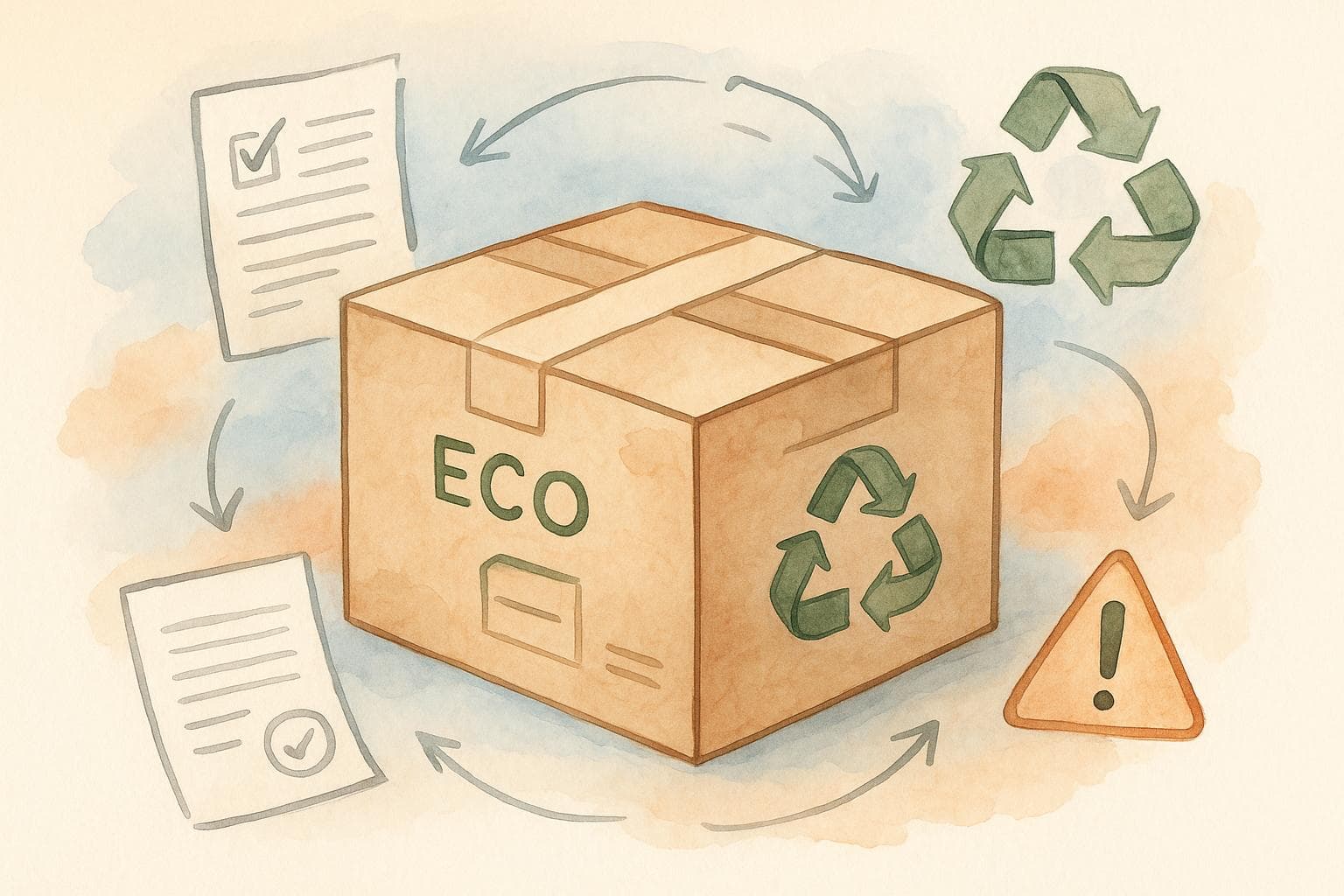
Australia’s FMCG and eCommerce sectors face strict regulatory challenges in 2025. With packaging laws, greenwashing crackdowns, and tighter digital contract rules, businesses must act now to avoid fines or product recalls. Key risks include:
- Packaging Rules: All FMCG packaging must be reusable, recyclable, or compostable by July 2025. Non-compliance can lead to product removal from shelves.
- Greenwashing: Misleading environmental claims are under scrutiny. Accurate documentation and certifications are essential.
- Unfair Contracts: Digital sales contracts must be clear and balanced, avoiding traps like complex cancellations.
To stay compliant:
- Conduct packaging audits and source approved materials.
- Verify all environmental claims with independent checks.
- Review contracts for clarity and legal alignment.
Compliance isn’t just about avoiding penalties - it’s a chance to build trust with Australian consumers who value transparency and sustainability.
Major Regulatory Risks for FMCG and eCommerce in Australia
Businesses in Australia's FMCG and eCommerce sectors are navigating three major compliance risks in 2025. These challenges carry the potential for hefty fines and operational setbacks that could disrupt even the most established companies.
National Packaging Targets and Environmental Standards
Australia's new recyclability standards demand that all FMCG packaging be either reusable or recyclable. Additionally, a nationwide ban on single-use plastics - covering items like cutlery, straws, and specific wrappers - has forced companies to rethink their packaging strategies.
The Australian Packaging Covenant Organisation (APCO) is responsible for enforcing these standards, with penalties escalating over time. Products that fail to comply risk being pulled from supermarket shelves.
Leading brands are already adapting. In 2025, Unilever and P&G introduced refillable and biodegradable product lines, investing heavily in redesigning packaging and exploring alternative materials to stay compliant while maintaining their market share.
To meet these regulations, businesses should prioritise packaging audits, partner with suppliers offering compliant materials, and redesign products as needed. Beyond packaging, companies must also tread carefully when making environmental claims.
Greenwashing and Misleading Sustainability Claims
The Australian Competition and Consumer Commission (ACCC) has intensified its focus on greenwashing. Labelling a product as 'eco-friendly' without robust evidence is a risky move. In its 2025–26 annual report, the ACCC highlighted a sharp increase in enforcement actions against greenwashing and unfair contract terms. Companies found guilty of exaggerating recyclability claims or making vague environmental statements have faced fines, infringement notices, and even mandatory corrective advertising.
To avoid these pitfalls, businesses should implement strict verification processes for environmental claims. This includes keeping detailed documentation on supply chain practices, obtaining independent certifications, and ensuring marketing materials are thoroughly reviewed for compliance before release.
But the scrutiny doesn’t stop there - contract terms in digital sales are also under the microscope.
Unfair Contract Terms in Digital Sales
The ACCC is cracking down on unfair digital contract terms, such as subscription traps, complicated cancellation processes, and unilateral changes to agreements. These practices create significant imbalances between businesses and consumers, resulting in penalties, forced amendments to contracts, and reputational harm. This highlights the growing complexity of Australia's regulatory landscape.
To stay on the right side of the law, businesses should conduct regular legal reviews of their standard contracts. These reviews should ensure terms are transparent, cancellation policies are straightforward, and clauses are balanced. By focusing on fairness and clarity, companies can avoid enforcement actions while building stronger customer relationships based on trust.
In an increasingly regulated environment, treating compliance as a core business priority - not just a legal requirement - will be crucial for long-term success in the competitive FMCG and eCommerce sectors.
How to Meet Regulatory Requirements
To address the risks mentioned earlier, businesses should adopt proactive strategies that not only ensure compliance but also build trust with consumers. Australia's regulatory environment is constantly evolving, so staying ahead requires a structured approach that turns obligations into opportunities.
Packaging Audits and Sustainable Material Sourcing
Start by conducting a thorough packaging audit. This involves cataloguing all packaging components and checking their compliance with Australia's National Packaging Targets. These targets aim for 100% of packaging to be reusable, recyclable, or compostable by 2025. Create a detailed inventory that lists each material's composition, recyclability, and supplier information.
Collaborate with suppliers to source materials that meet these standards while balancing cost and product quality. Companies like Coca‑Cola Europacific Partners and Nestlé have already revamped their packaging to align with the 2025 targets. Keep detailed records of all material changes, certifications, and compliance tests. These documents will serve as evidence of your commitment during audits.
Consider integrating smart packaging solutions, such as QR codes, to provide customers with recycling instructions. These technologies not only enhance user engagement but also gather valuable compliance data.
Once packaging compliance is in place, shift your focus to verifying environmental claims.
Claim Verification and Transparent Marketing
With the Australian Competition and Consumer Commission (ACCC) actively monitoring environmental claims, businesses must ensure all statements are backed by solid evidence. Establish clear internal guidelines for what constitutes acceptable claims, whether it’s a simple "recyclable" label or a more ambitious "carbon neutral" declaration.
Use independent auditors to verify these claims and document supply chain practices to support your messaging. Before publishing any environmental claims, implement a review process that includes legal compliance checks and consumer clarity assessments. Regularly updating marketing materials based on consumer feedback and audit results helps avoid misleading statements and ensures your messaging resonates with environmentally conscious Australians.
After securing your marketing claims, the next step is to review contracts for fairness.
Contract Reviews and Fair Trading Compliance
Contracts, especially for subscription services or online sales, should be carefully reviewed to ensure fairness and transparency. Use plain language to clearly explain key terms, such as cancellation policies and automatic renewals, so customers aren’t confused by legal jargon.
Simplify cancellation processes and review contracts at least every six months or whenever regulations change. This helps identify and fix any potentially unfair terms before they attract regulatory scrutiny.
Engage legal experts who specialise in Australian consumer law to keep contracts aligned with current rules. Cross-team collaboration between legal, marketing, and operations departments ensures compliance is built into business practices. This not only safeguards your operations but also strengthens consumer trust.
Creating a Complete Compliance Management System
Building a compliance management system isn’t just about ticking boxes; it’s about creating a framework that blends regulatory adherence with smooth operations. For Australian FMCG and eCommerce businesses, this is particularly important as regulators like ASIC, ACCC, and AUSTRAC are ramping up enforcement in 2025. With increased penalties and concurrent investigations on the rise, having a proactive compliance system can help prevent breaches, simplify operations, and cut down on long-term costs.
This section outlines practical steps to embed compliance into everyday business operations, building on earlier risk management strategies.
Risk Assessment and Compliance Calendar Development
Start by listing all regulations relevant to your business. This includes packaging, labelling, and consumer protection requirements. For instance, the mandatory Health Star Rating now required on all packaged foods carries steep penalties for non-compliance.
Next, conduct a risk assessment to evaluate the likelihood and impact of potential non-compliance. Risks like fines or product recalls can have serious financial and reputational consequences.
To stay on top of these requirements, create a compliance calendar. Use digital tools to track deadlines, assign responsibilities, and schedule quarterly reviews to account for regulatory updates. This calendar should integrate seamlessly with other departmental initiatives, ensuring compliance remains a shared responsibility across the organisation.
Cross-Functional Collaboration and Staff Training
Compliance isn’t a siloed effort - it requires teamwork across all departments. For example, packaging teams can collaborate with sustainability experts to meet recyclability standards, while marketing and legal teams work together to verify environmental claims and avoid greenwashing penalties.
Clearly define compliance roles within each department:
- Legal teams can handle contract reviews and regulatory updates.
- Operations can oversee product safety standards.
- Marketing can ensure claims are accurate and compliant.
- Supply chain teams can track packaging and labelling compliance.
Regular cross-departmental meetings ensure smooth communication and quick resolution of any compliance issues.
Training is equally important and should be tailored to specific roles. For example, food handlers need updates on hygiene standards for fresh produce, marketing teams require guidance on acceptable environmental claims, and customer service staff should understand contract terms and cancellation policies. Practical scenarios and clear reporting instructions should be part of these training sessions.
Take Mars Australia as an example. In 2025, the company doubled its local production to reduce dependence on global supply chains. This required seamless coordination between procurement, operations, and compliance teams to meet updated packaging and labelling standards while strengthening supply chain resilience.
Regular Monitoring and Audit Systems
Ongoing monitoring is essential for maintaining compliance. Use a mix of internal audits, third-party reviews, and digital tools to keep everything in check. Internal audits should focus on high-risk areas identified in your risk assessment and be conducted quarterly. Third-party audits, on the other hand, provide an independent view and can uncover issues you might have missed.
Key metrics to track include:
- Number of compliance breaches
- Findings from internal and third-party audits
- Staff training completion rates
- Timeliness of regulatory reporting
- Closure rates for corrective actions
Technology can simplify this process. For instance, smart packaging solutions with QR codes can offer real-time compliance data while also engaging customers. Automated dashboards can flag potential issues early, helping you address them before they escalate.
Recent enforcement actions underline the importance of regular audits. By focusing on high-risk areas and automating routine compliance tasks, businesses can not only meet their regulatory obligations but also streamline operations. Companies like Unilever and P&G are great examples, as they’ve integrated compliance into their workflows by launching refillable and biodegradable product lines - meeting regulations while staying ahead of the competition.
Conclusion: Your Path to Regulatory Compliance
Meeting regulatory compliance standards in Australia's FMCG and eCommerce sectors is about more than just avoiding fines - it’s a chance to strengthen your business and gain a competitive edge. With the regulatory landscape evolving, businesses have the opportunity to embrace these changes and set new benchmarks for operational excellence.
As of 2025, new packaging rules and mandatory labelling systems are in place, while the ACCC continues to prioritise issues like scams, unfair contract terms, and digital platform regulations. These developments are reshaping how eCommerce businesses operate in Australia.
Forward-thinking companies are turning compliance into an opportunity for growth. They don’t just meet the requirements - they use them as a springboard to innovate and stand out in the market.
Proactive compliance management is key. It builds trust with consumers, especially as shoppers increasingly value transparent practices and credible environmental credentials. Beyond that, integrating compliance into daily operations can improve efficiency, reduce disruptions, and encourage accountability throughout your organisation.
To stay ahead, businesses need to focus on risk assessment, collaboration, and consistent monitoring. Seamlessly aligning a compliance calendar with day-to-day operations, conducting regular audits, and investing in employee training are essential steps. Leveraging technology can also make a big difference. Tools like QR-enabled smart packaging and automated compliance dashboards provide real-time insights into your regulatory standing.
For FMCG and eCommerce companies in Australia, compliance isn’t just a box to tick - it’s a cornerstone for sustainable growth. Those who prioritise strong compliance systems today will be better equipped to handle future regulatory shifts while strengthening relationships with customers, retailers, and regulators.
At Uncommon Insights, we specialise in helping businesses navigate these challenges. Our tailored strategies ensure your compliance efforts not only meet regulatory demands but also align with your growth goals in Australia’s ever-changing market. Let’s work together to secure your business’s future.
FAQs
What steps can FMCG and eCommerce businesses take to ensure their packaging meets Australia's 2025 recyclability standards?
To meet Australia's 2025 recyclability standards, FMCG and eCommerce businesses should begin with a thorough review of their packaging practices. This means evaluating the materials currently being used, pinpointing components that can't be recycled, and considering options that are more environmentally friendly.
Here’s how businesses can take action:
- Work closely with suppliers to find materials that are recyclable or compostable.
- Revamp packaging designs to cut down on waste and make recycling easier for consumers.
- Keep informed about local laws and industry best practices to ensure compliance.
Taking these proactive steps not only supports sustainability efforts but also helps businesses maintain efficiency and build customer confidence.
How can FMCG and eCommerce businesses in Australia verify environmental claims to avoid greenwashing penalties?
To steer clear of greenwashing penalties in Australia, businesses in FMCG and eCommerce need to ensure their environmental claims are clear, truthful, and backed by evidence. Support your statements with credible proof, such as third-party certifications or scientific research, to demonstrate authenticity. Use straightforward language to explain environmental advantages and avoid vague or exaggerated claims that could mislead consumers.
It’s also important to regularly review and update your claims to stay in line with Australian regulations, including the Australian Consumer Law (ACL). Internal audits and expert consultations can be valuable in ensuring your marketing materials meet both legal and ethical expectations. Following these practices not only keeps you compliant but also strengthens customer trust in your brand.
How can FMCG and eCommerce businesses ensure their digital sales contracts comply with Australia’s transparency regulations?
To align with Australia’s regulations, businesses must prioritise clarity, accessibility, and compliance when drafting digital sales contracts. Start by clearly outlining all terms and conditions in plain language. Avoid legal jargon to make it easier for customers to understand their rights and obligations.
Ensure contracts are easy to access online and formatted for readability on any device. Highlight essential details such as pricing (in AUD), payment terms, cancellation policies, and any additional fees or charges. It’s also crucial to regularly review your contracts to stay up to date with Australian Consumer Law (ACL) and any relevant industry-specific rules.
Don’t overlook the importance of staff training. Equip your team with the knowledge to understand compliance standards and confidently address customer queries. By focusing on transparency and fairness, you can strengthen customer trust and reduce the risk of regulatory issues.
Related Blog Posts
Solving Packaging Compliance Challenges in FMCG
Navigating Privacy Reforms for Australian Retailers
Localization in FMCG: Lessons from Global Brands
Small, Boring, and Profitable Wins
AI Inventory Optimisation for FMCG: A Guide
GDPR Compliance for eCommerce: Key Steps
Newsletter
The Uncommon Insights Letter
Practical FMCG & eCommerce growth playbooks — margins, retention and scaling tactics, straight to your inbox.
Turn these ideas into profit you can see
Get a hands-on operator to turn the frameworks above into results — book a free audit call.